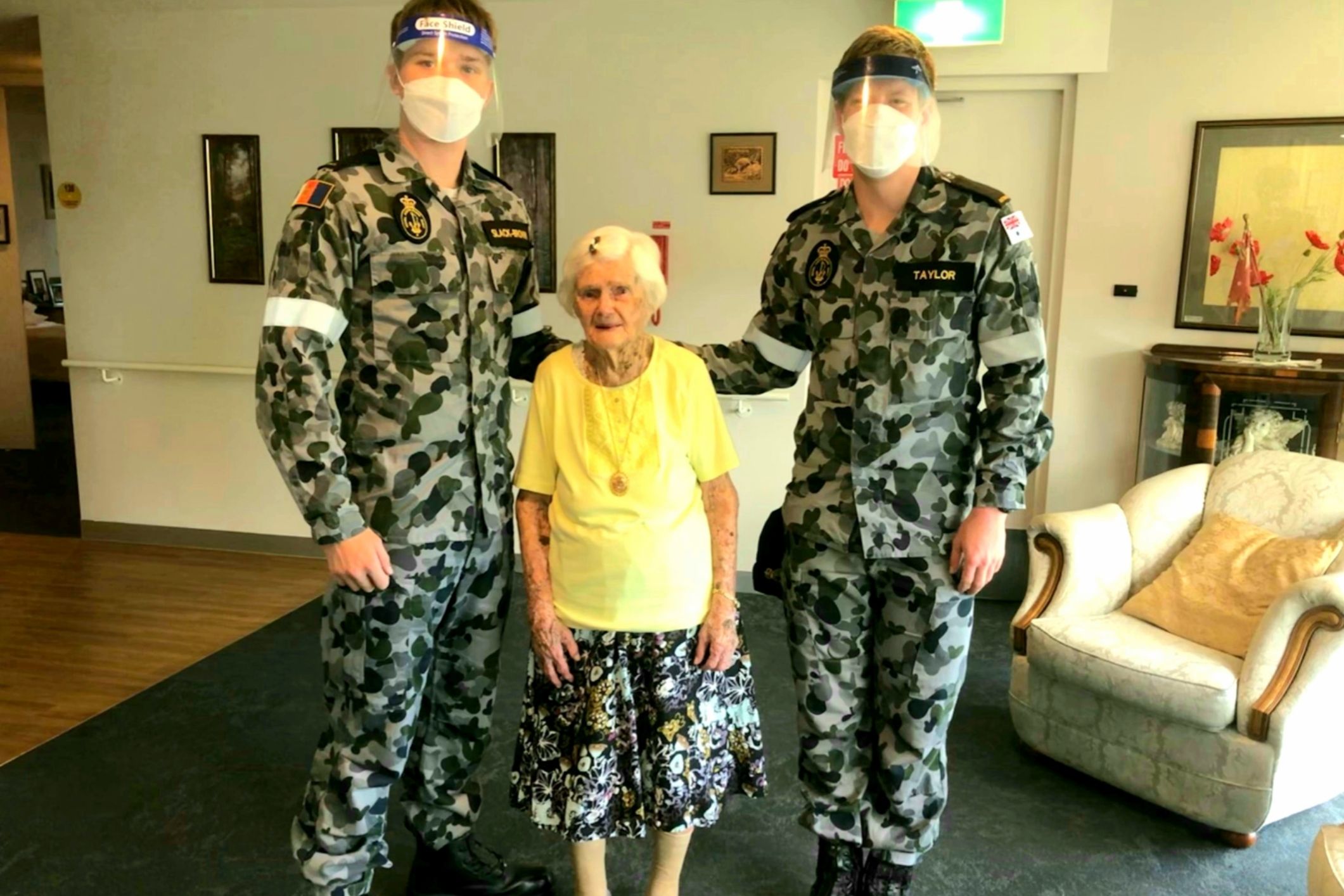
Heather Gray, CEO of Dorothy Impey Home, told HelloCare staff and residents were quite “down” after they had “worked so hard” during the two years of the pandemic.
“It was a dark period,” she said.
When the offer of help from Australian Defence Force troops became available, Gray put up her hand up, not really knowing what to expect.
“We had no idea what we’d get them to do,” Ms Gray admitted.
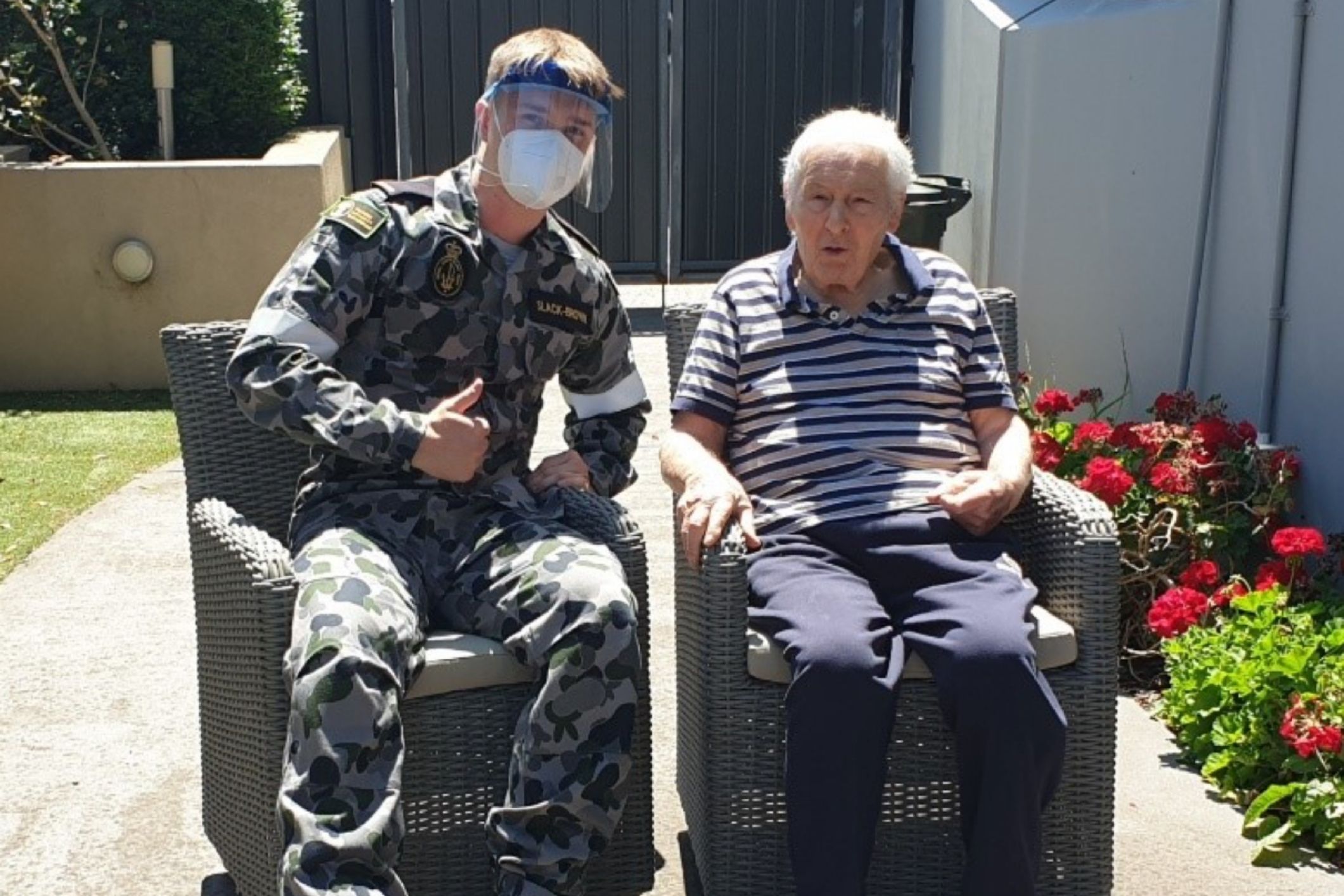
In the end she didn’t have to worry – the residents stepped up, finding plenty for the five young soldiers to do during the week they assisted.
Ms Gray told OPAN’s webinar ‘Putting aged care residents first’, “They interacted with residents. They helped in the garden and they put the laundry away. They helped us when parcels arrived. They helped with meal assistance, which was so beautiful.”
On Valentine’s Day, the thoughtful troops even brought in chocolates.
One resident admitted she’d asked one soldier who was assisting her to take his mask off when he was in her room so she could take a photo of them together.
She insisted they maintained socially distant by the required 1.5 metres because “he’s so tall and I’m so short!”
Another resident’s daughter told Ms Gray her mother tuned down her phone call because she had “a very important guest in her bedroom”.
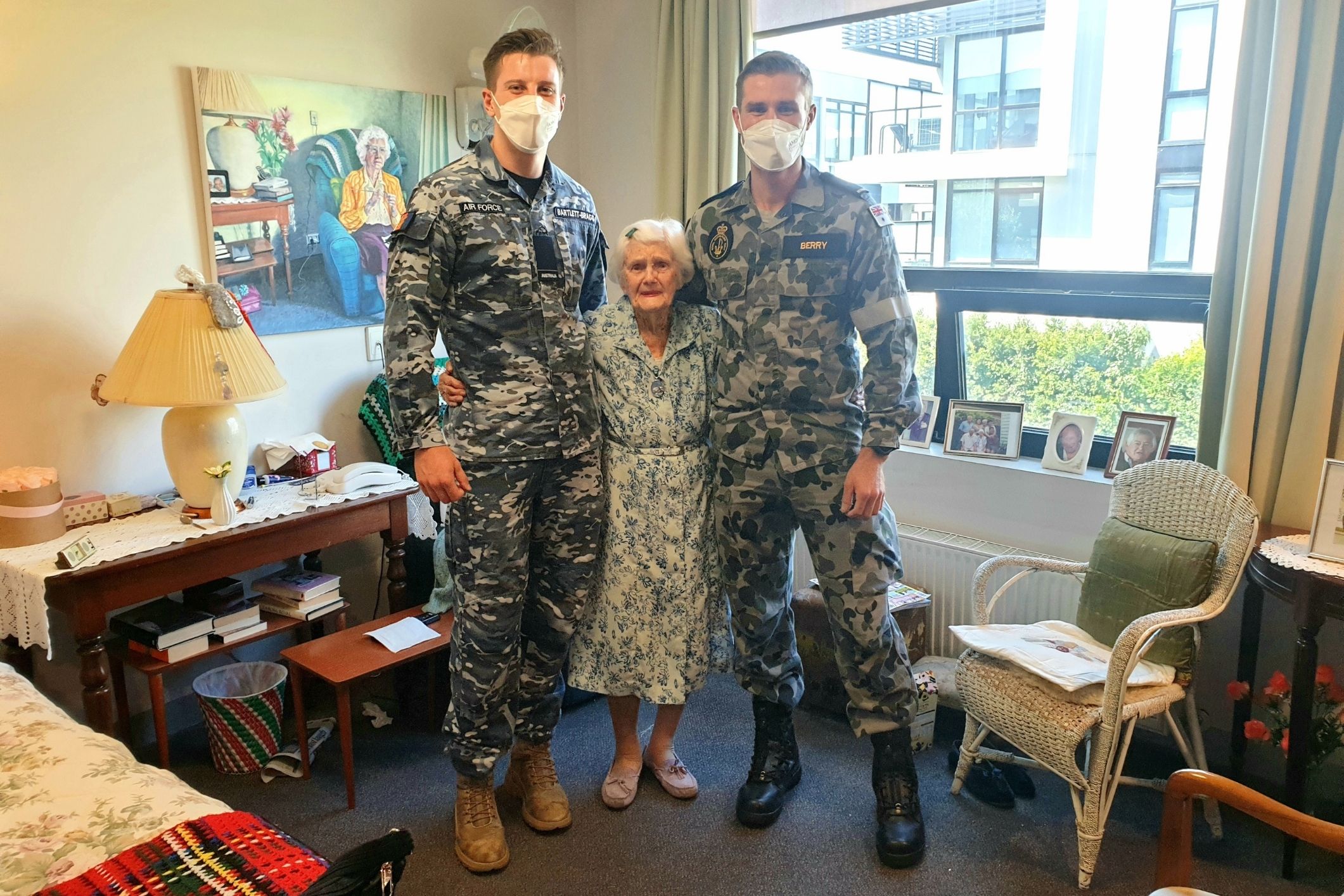
Having so many “young, beautiful guys” come into the residents’ lives “brought back so many memories” for residents, Ms Gray said.
Staff also “just loved them … they became part of our family,” she said.
“The experience was the most positive thing you could ever hope for,” Ms Gray described.
“Please take up this offer [of assistance from the troops],” she recommended.
“It will change the life of your residents and it will change the life of the facility and give everyone a positive experience.
“It was just so beautiful, absolutely beautiful. They made our life worth living.”
Professor Michael Kidd, Deputy Chief Medical Officer and Principal Medical Advisor with the Department of Health, said in the webinar that defence forces have made some “wonderful contributions” since the prime minister announced the government would be sending in troops to support aged care homes struggling to cope with staff shortages.
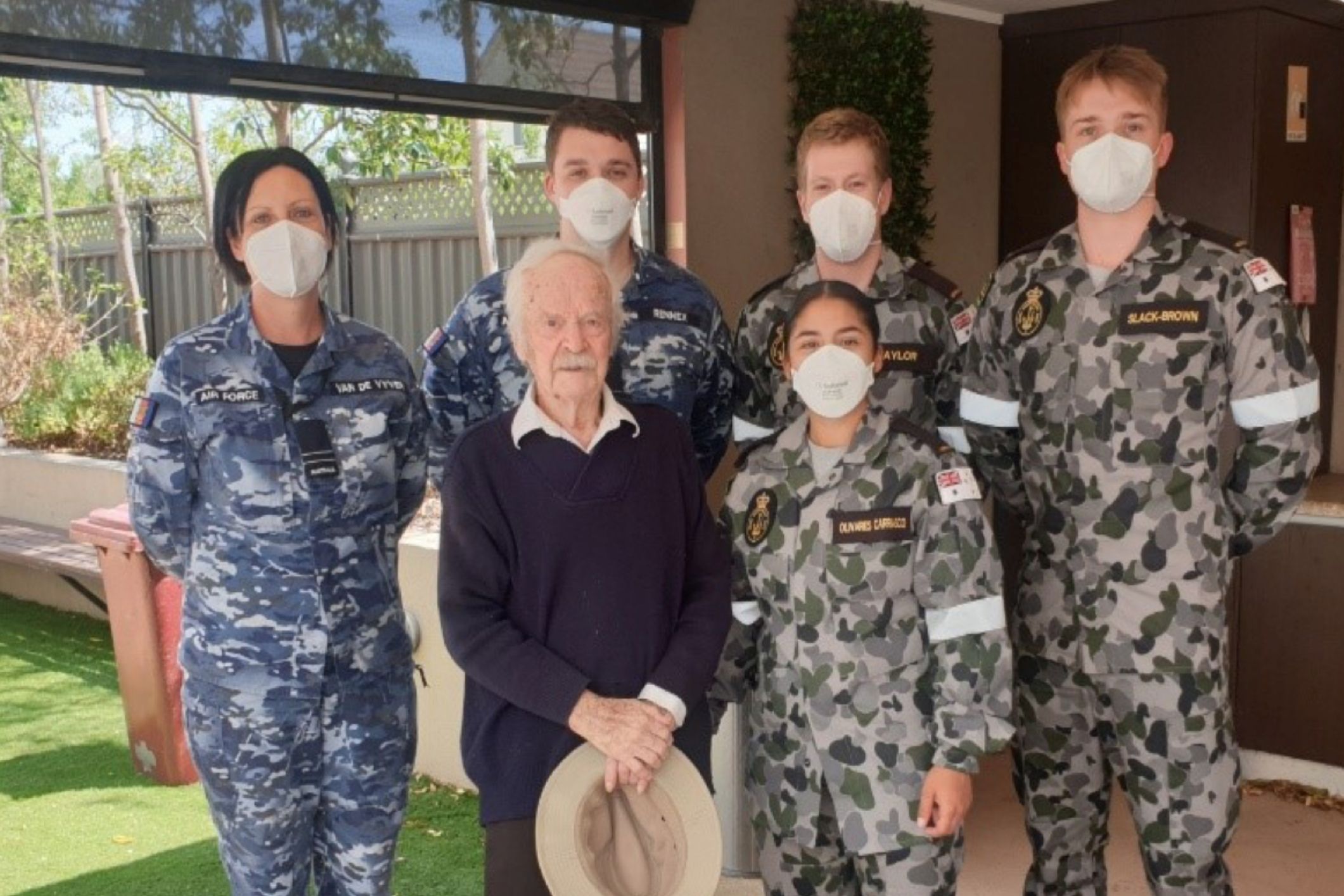
There are 1,700 defence force staff available to support aged care. Medical teams, consisting of nurses, paramedics and others, are assisting. And there are also teams carrying out general duties, such as feeding residents, helping residents walk and get outside into the fresh air, and just taking the time to talk to residents.
Aged care homes can request support through the Commonwealth Case Management Team in their state or territory. Once the support has been agreed, management can discuss their needs directly with the troops to ensure the support being provided is “targeted in the most effective way” on site.
When the troops left Dorothy Impey Home “there were lots of tears,” Ms Gray admitted.
But the experience was so positive, she requested a second team come to assist and another five soldiers are currently on site. They will stay for six days.
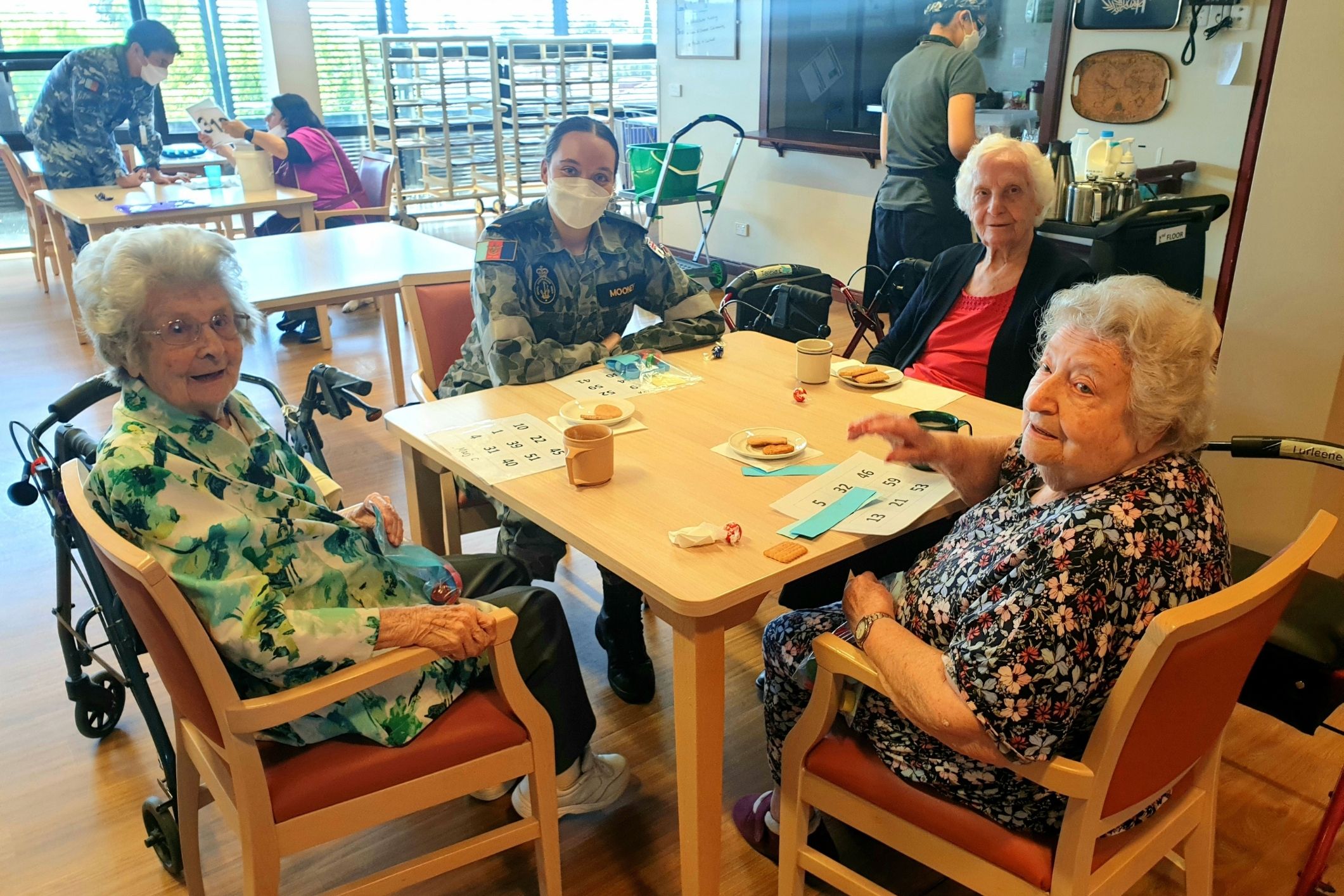
The troops have been so loved and appreciated, Ms Gray has been talking to a psychologist about helping the residents adjust to life once they leave.
The residents will be given extra support and back up as needed.
“They just loved them,” Ms Gray shared.





What a lovely story, there needs to be more diversity in aged care homes like this, more often not just during a pandemic.
Excellent work from the armed forces! Am not in a facility but can imagine how uplifting it must have been for all concerned!. Thank you to all who visited.