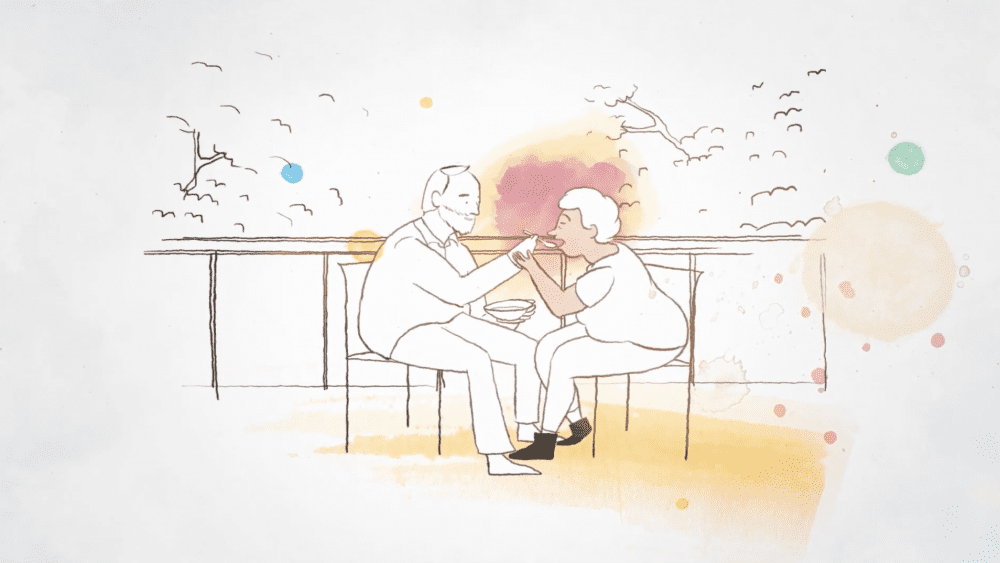
A series of Department of Health funded short films unpacking spiritual care in the new Aged Care Quality Standards have been launched today from Meaningful Ageing Australia. The films give tools and direction to aged care providers, carers and executives.
New Aged Care Quality Standards from the Aged Care Quality and Safety Commission came into effect on 1 July. The films connect the federally funded National Guidelines for Spiritual Care in Aged Care with areas identified in the Standards where spirituality needs to be embedded.
They are designed to assist service providers to better understand the place of meaning, purpose connectedness and other ideas related to contemporary spiritual care in Australia.
Ilsa Hampton, CEO of Meaningful Ageing Australia, says that short animations are the perfect way of introducing the overall concept of spirituality into aged care organisational thinking and processes.
‘Helping organisations to understand contemporary spiritual care remains a key challenge in the sector.
The films illustrate how emotional support in action can be employed in big and small ways to enable each and every person to age well, by reflecting on their life’s journey, their own values and the legacy they’re leaving.
‘Spirituality is about our need for meaning, purpose and connectedness. In modern Australia, a person’s belief system is just part of the bigger picture of spirituality. Our need for connectedness, whether with self, others, nature or the sense of something bigger is part of being human.’
The films encourage aged care staff to focus on making older people feel they matter, they are seen and have continued purpose. All organisations have the responsibility of incorporating spiritual care into their workplace as part of implementing the new Standards.
The content was developed in consultation with a provider reference group including RAAFA WA, Anglicare, Autumn Lodge, Masonic Care Tas, RFBI and SummitCare. The films speak to a wide range of audiences including boards, managers and carers.
One personal carer commented, “I loved it! It made me feel like this is bringing me back to feeling valued instead of feeling like we are just machines doing the same jobs day in day out. It made me feel that I have purpose. Please show this film to all the staff to get them to feel they are important.”
Links to the films are available from the Quality and Safety Commission website and Meaningful Ageing Australia. They can also be ordered on a free USB to make them easier to use without internet. Meaningful Ageing also provide practical resources including downloadable templates, conversation starters and other tools to embed spiritual care in aged care.
The films can be viewed here.


