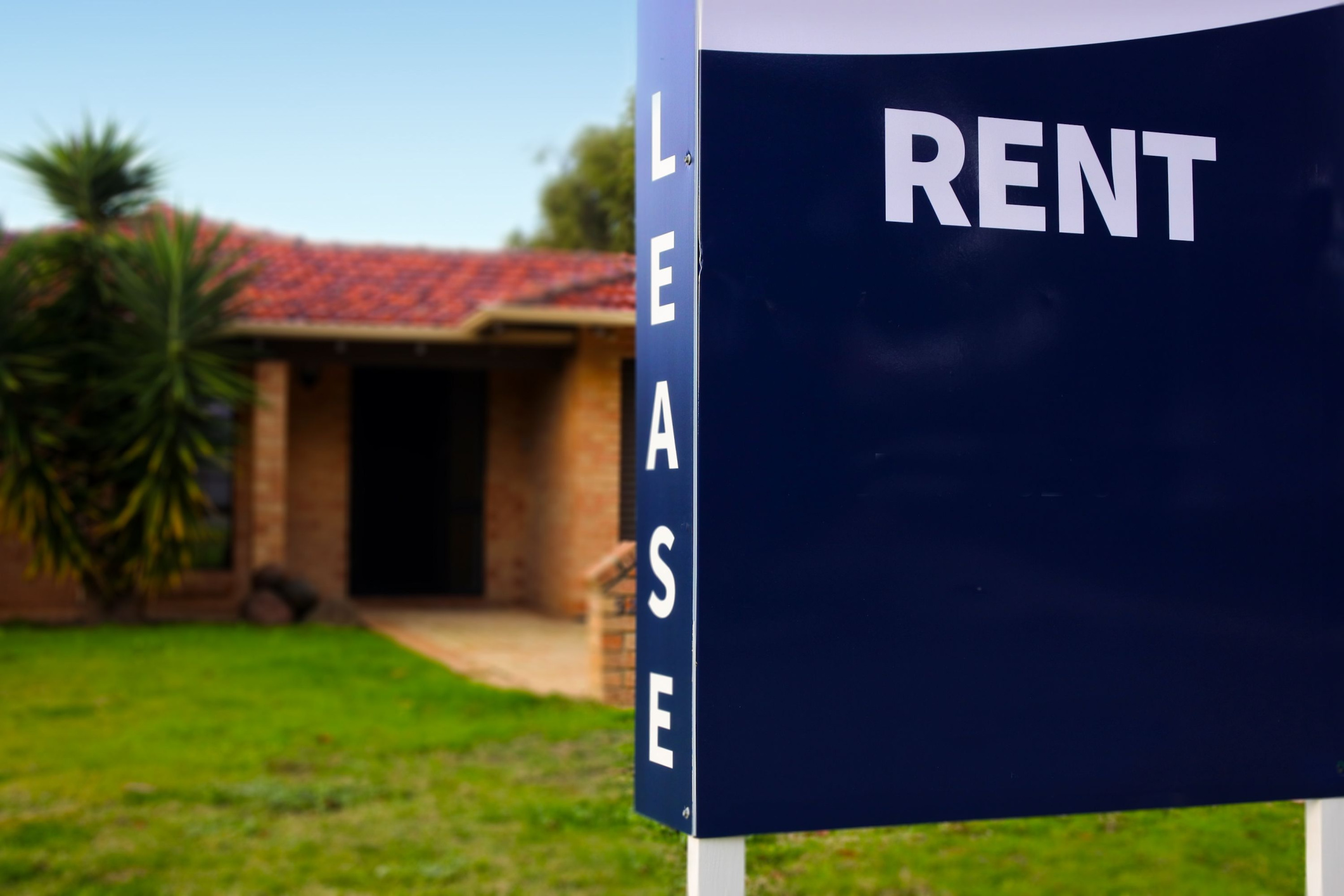
Australia is facing the worst rental crisis yet with new research indicating nurses and aged care workers in full-time work can only afford as little as one in 100 rentals.
According to an Anglicare Australia survey released earlier this week, the figures showed Australia’s housing affordability crisis is getting even worse ahead of Wednesday’s National Cabinet meeting where rental stress will be a key talking point for Prime Minister Anthony Albanese and State and Territory leaders.
These results show that finding an affordable and suitable home to rent in the private market is incredibly hard for people in these roles and showed aged care workers or community services workers could afford only 1% of available properties.
A breakdown of the survey showed that out of 45,895 rental listings across Australia:
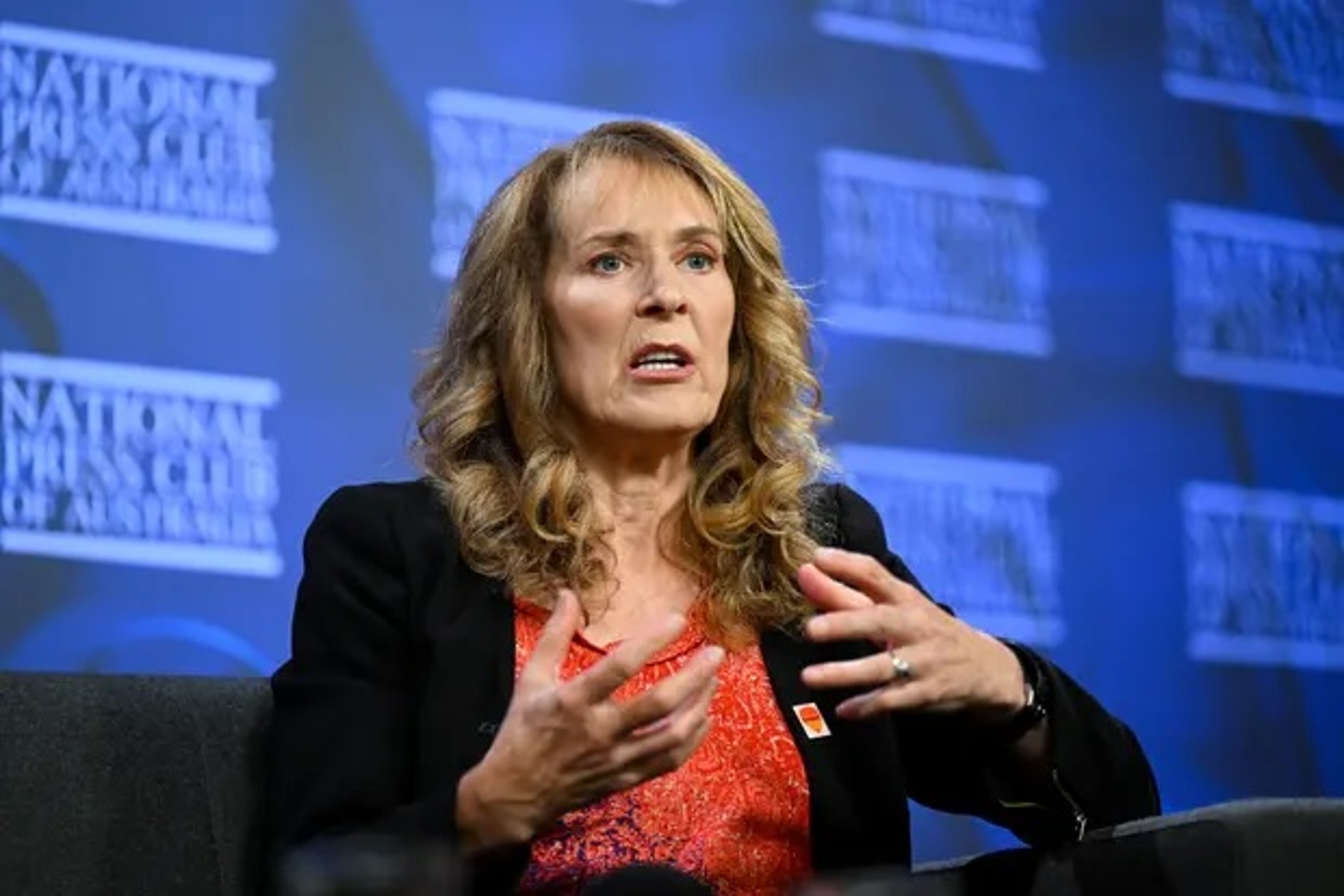
Anglicare Australia Executive Director Kasy Chambers told Australian Associated Press (AAP) the figures reflect the sector’s labour shortages as workers cannot afford to live in areas where the shortfall is the worst.
“Virtually no part of Australia is affordable for aged care workers, early childhood educators, cleaners, nurses and many other essential workers we rely on,” she said.
Even in regional Australia where housing prices are usually lower, homes were on average unaffordable.
Rental vacancies remain at a record low 0.8% despite a record-high number of homes built over the last 10 years.
The state of Australia’s rental market has been no secret for some time. To help curb the sector’s housing and workforce crisis, care providers have resorted to supplying their own unique accommodation options for staff.
At the start of the year, The Raleigh-Urunga Masonic Village on the outskirts of Bellingen in NSW’s Mid North Coast brought in tiny homes and converted shipping containers for nurses who cannot find rentals in the area to live in.
The Councils of Social Service network has written a letter to National Cabinet leaders to alert them of the “distressing levels of housing need” they have witnessed.
“There are over 640,000 low-income Australian households with an unmet housing need, people who are homeless, living in overcrowded housing, or spending more than 30% of income on rent,” the letter said.
“The rental crisis requires immediate attention […] Without Government intervention, housing will continue to be unaffordable and insecure for many Australians.”
Mr Albanese’s $10 billion Housing Australia Future Fund remains stalled in the Senate.
The fund is expected to deliver 30,000 social and affordable homes in its first five years but the plan was blocked by the coalition and Greens in June, as the minor party demanded a nationally agreed rent freeze, more rights for tenants, and increased funding for public housing in exchange for their support.


