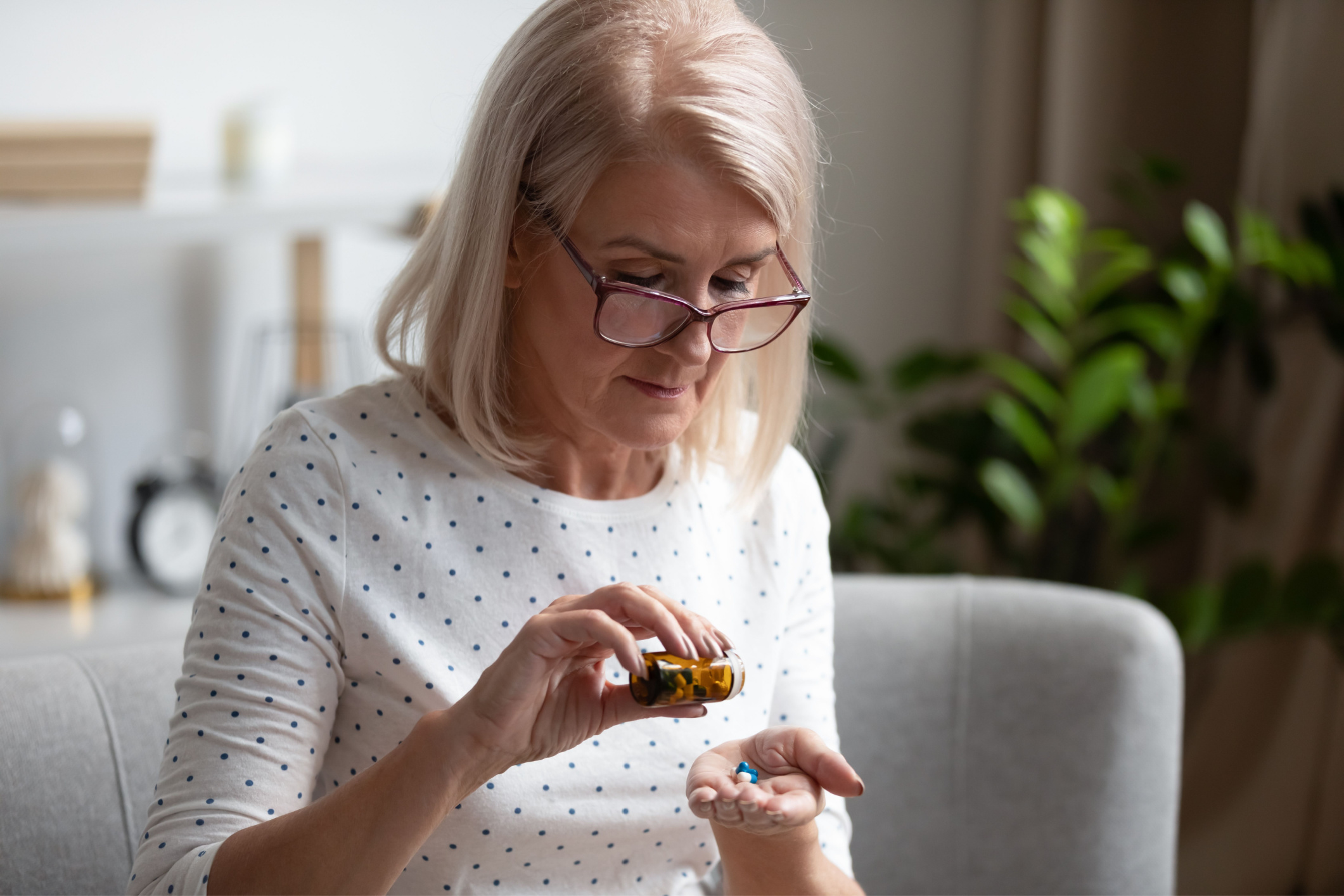
Southern Cross University researchers are seeking participants to test the effectiveness of a readily available herbal supplement in providing relief for people with recurring urinary tract infections (UTIs).
The national clinical trial is being launched this World Antimicrobial Awareness Week and heading into the summer months, a time of year that can see a spike in reported cases of UTIs.
It also follows the Federal Government announcing that from March 2024, women aged 18 to 65 in South Australia suffering from a UTI will be able to access antibiotics from pharmacists – a move denounced by The Royal Australian College of General Practitioners (RACGP).
Researchers require more than 200 female and male participants nationally to take part in the online trial.
Half will receive the herbal product Urox, and half will receive a placebo. Urox contains three different herbs and is currently available at Australian pharmacies to promote bladder and urinary health.
Primary investigator Doctor Janet Schloss said the trial would test the effectiveness of the product in providing relief for people who regularly contend with the discomfort and possible complications that arise from UTIs.
“Our aim is to test this product that might allow individuals to enjoy summer activities without the worry of UTIs, or the need to take antibiotics,” Dr Schloss said.
In the trial, participants will be asked to incorporate the supplement or the placebo into their daily routine for six months.
Regular feedback will be collected to assess the product’s effectiveness, safety, ease of use, and overall satisfaction.
World Health Organisation (WHO) has declared that antibiotic resistance is a global health emergency and the Australian Commission on Safety and Quality in Health Care has (ACSQHC) urged caution when prescribing antibiotics for a range of health conditions, including UTIs.
The latest AURA 2023 report by ACSQHC found that antimicrobials continue to be prescribed at high rates in aged care facilities and that there were high rates of reporting for suspected skin and soft tissue, urinary tract and respiratory tract infections.
Just last month, a South Australian study uncovered worrying signs of antimicrobial resistance (AMR) in at least one aged care facility by analysing wastewater samples from several aged care and retirement facilities.
According to the most recent report from Antimicrobial Use and Resistance in Australia Surveillance System, around 10 million people in Australia are prescribed at least one antibiotic every year under the PBS, representing approximately 40% of the population.
Warning against the South Australian pharmacy changes, RACGP South Australia Chair Doctor Sian Goodson said if the Government is determined to press ahead, she recommends it consults closely with medical groups to make pharmacist antibiotic prescribing as safe as possible.
“In Western Australia, for example, we were able to provide crucial feedback on antibiotic choice, exclusion criteria, record keeping and mandating that the dispensing record be transmitted to My Health Record,” she explained.
“It’s far from ideal, but it is certainly better than nothing.”
For those interested in the Southern Cross University trial, you can find more information on their website here.





