Key points:
This year’s Intergenerational Report has been published and focuses largely on issues around our ageing population and the aged care industry but experts have said “don’t panic” just yet.
The Report shows the Australian Government will likely spend more to keep aged care afloat as the population ages over the next 40 years with costs mostly coming from residential aged care and community care.
Centre for Health and Economic Director at Monash Business School, Professor Anthony Scott, said this Report shows no big surprises and while our population is ageing, more older people will be healthier in the future due to continuous medical and technological improvements.
“Many areas such as aged care and [the] National Disability Insurance Scheme (NDIS) are undergoing reform at the moment, which will help to make them more sustainable into the future, and which are not reflected in forecasts in the report.”
Council on the Ageing Chief Executive Officer Patricia Sparrow also said the news of our ageing population is recent and that we have known about it for a long time.
“I think what’s important about the Intergenerational Report is that it lays out the foundation and a blueprint for the things that we need to do across all programs,” Ms Sparrow told Sky News Australia.
“It’s a policy challenge that we all need to work on to make sure that we’re raising these services and the bar for all generations.”
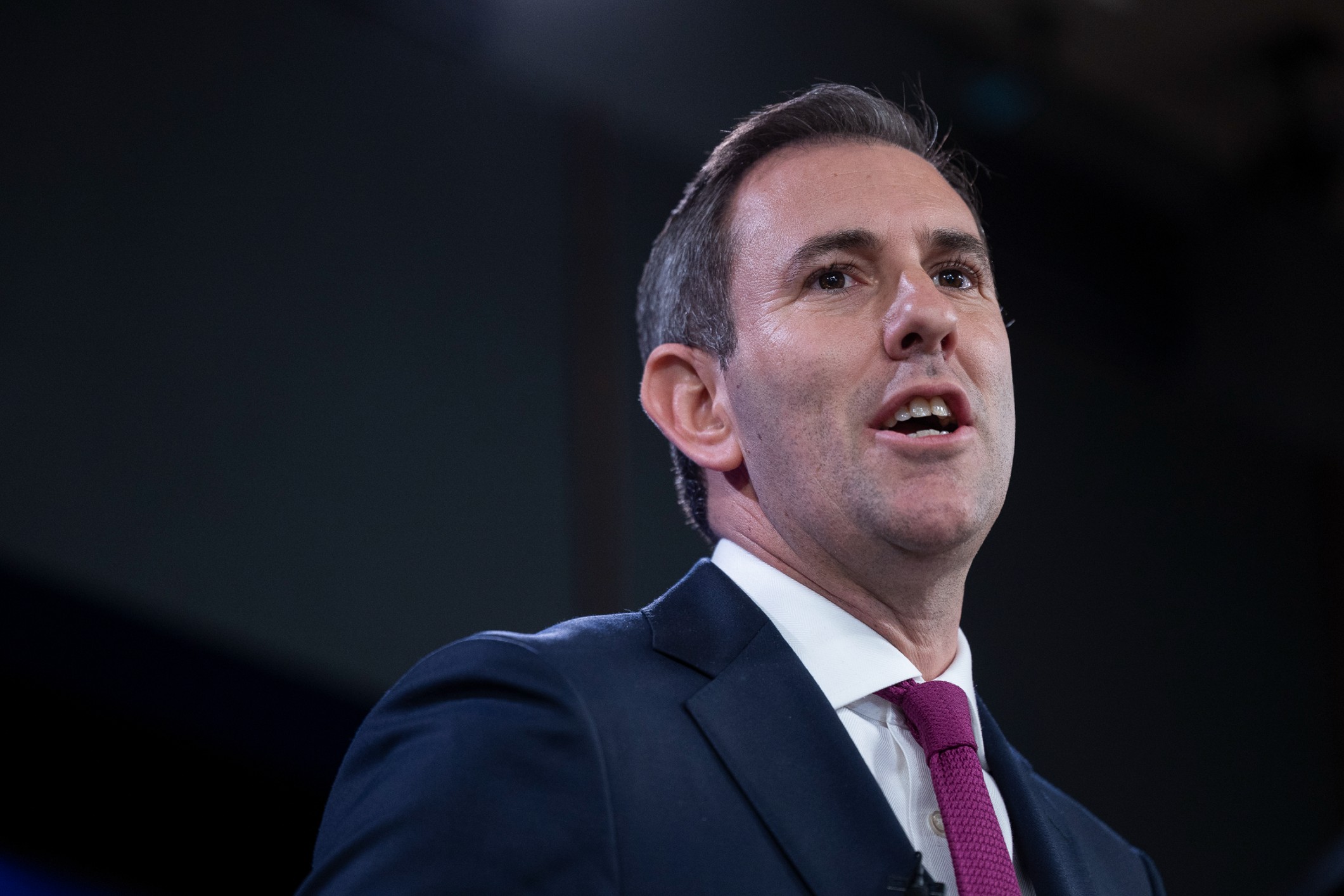
Treasurer Jim Chalmers revealed the Report at a National Press Club event on Thursday and said our ageing population will mean challenges to future Budgets and growth but that we were in a better position than we were with the previous Coalition Government.
“As we age, there will be a smaller share of working-age people putting pressure on our tax base at the same time as we face growing spending pressures,” she said at the address.
Other factors that could impact future Federal Government Budgets for aged care include:
The projections for aged care payments rely on a number of assumptions.
These include:
Changes in any of these will affect the projection of aged care payments – and there will likely be some.
Darshini Ayton, Associate Professor Health and Social Care Unit at Monash University said our ageing population is a public health success story, but the systems of care across health and social care need to be reconsidered to address older people’s needs.
“This includes better and timely access to health and social care across State and Federal Government boundaries to enable older people to live at home for longer, educating and attracting the next generation of the aged care workforce and ensuring we have processes in place to respond to innovations in drug discovery and diagnosis in, for example, Alzheimer’s disease,” she said.
These sentiments were mirrored by Dr Pei-Chun Ko, a lecturer at Monash’s School of Social Sciences, who said it’s important to think about what kind of social infrastructure we can design to sustain the necessary social engagement among older people.
“Social and financial well-being of older adults will be crucial to empower the agency of this population group,” she said.


