For Australians who are ageing, there are a number of options in terms of care – you can stay at home and have care services come to you; you can move in with relatives who take on the role as your carer; or there are retirement villages and residential aged care option for people who need more assistance.
But in some parts of the world, this isn’t an option – and because of this lack of choice they turn to a life of crime. Simply because going to jail is better than being at home.
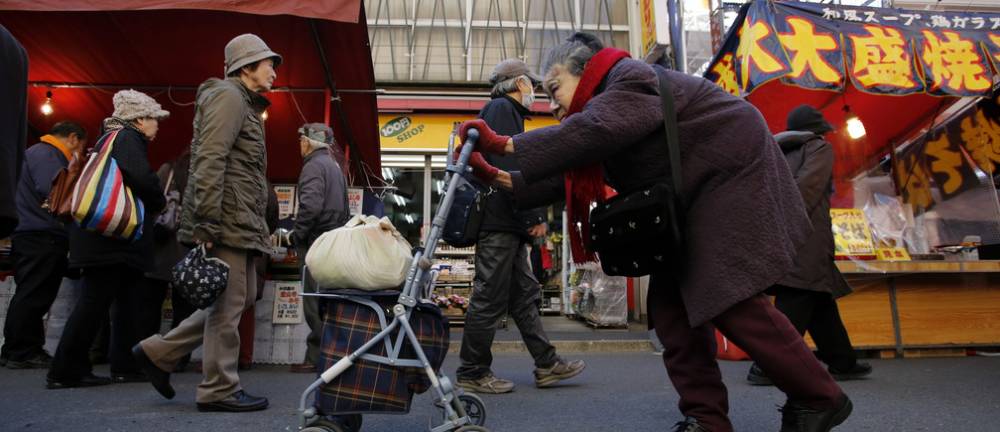
In Japan, there is an incredibly high population of older people. In fact, more than a quarter of Japan’s population is over 65.
Caring for Japanese seniors once fell to families and communities, but now more than 6 million older Japanese people live alone.
In a strange trend seen in the ageing population, more older people are committing petty crimes – the elderly crime rate has quadrupled over the past two decades.
Currently, 18 per cent of Japan’s prison population is over the age of 60. And of those released, one third of them are back in prison within two years.
One in five women in prison are senior citizens, with 90 per cent being convicted for shoplifting.
“I enjoy my life in prison more. There are always people around, and I don’t feel lonely here. When I got out the second time, I promised that I wouldn’t go back. But when I was out, I couldn’t help feeling nostalgic,” one of the women told Bloomberg.
It costs Japanese prisons more than $20,000 a year to keep an inmate in jail. And that cost is even higher for care and medication for the elderly.
One prisoner is eager to break the cycle of prison dependency, saying that “I will seek help if I need it, and never commit another crime.”
But when looking for an aged care facility the ex-convict found it to be quite a challenge. There are already a million law-abiding citizens waiting for a bed in a facility.
Prison, on the other hand, provides food and shelter without the waiting list.
Neither the government or the private sector have established a rehabilitation program for older people in Japan.
“One man told me he was terrified of being released because he had no home, no money, for him crime was the only way out,” says social worker Takeshi Izumaru.
“Most of them repeatedly steal because they have no job and have no money to buy food.”
“Life inside is never easy. But for some, outside, it’s worse.”
What do you have to say? Comment, share and like below.


