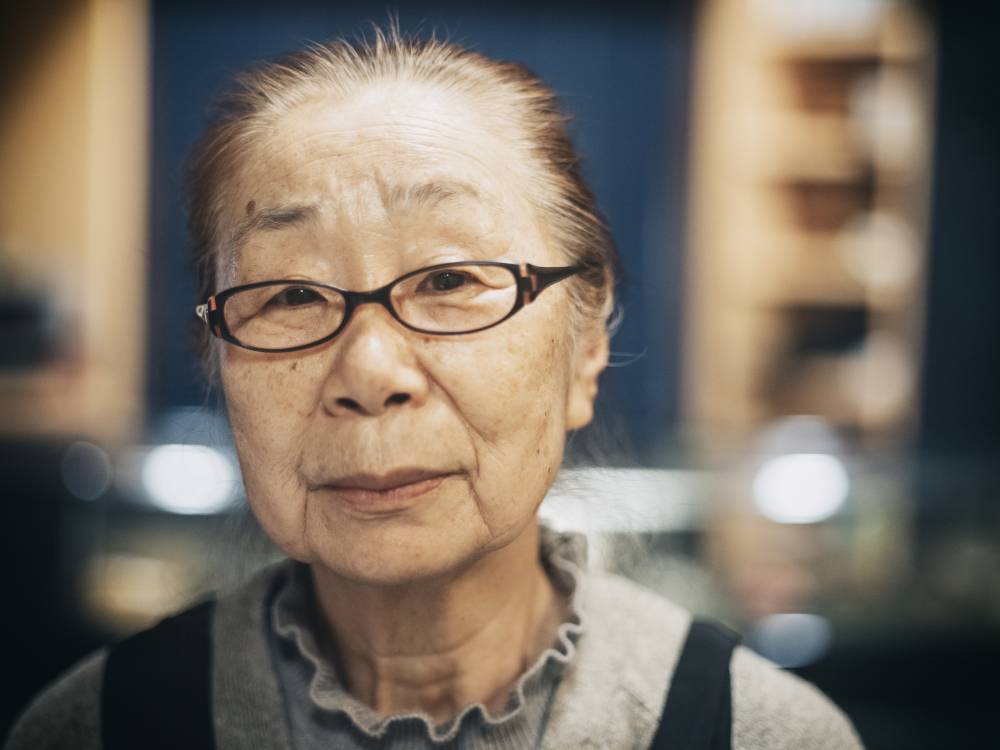
Many aged care homes in Japan have been in hard lockdown since February, and some families are beginning to worry that the social isolation is causing residents to develop the symptoms of dementia.
Japan, which has the world’s oldest population, is facing a ‘third wave’ of COVID-19, meaning aged care homes are extending lockdowns and families are having to face the fact they may not be able to hug their loved ones for the remainder of the year – at least.
Though Japan has had high COVID-19 case numbers, its death rates have remained how. There are currently 1.53 deaths per 100,000 people in Japan – significantly less than the United States at 78.2 per 100,000 people, and even less than Australia with 3.63 deaths per 100,000.
One of the reasons COVID-19 death rate has remained so low is the nation’s aged care homes adopted hard lockdowns right from the time the virus reached Japan’s shores. Existing policies to protect residents from influenza outbreaks, meant aged care homes were well prepared.
In addition, Japan already had a well-established culture of hand washing and wearing masks.
Despite this preparedness, it is “unprecedented” to have aged care homes completely prohibiting visits, an expert in the care of older people, Toshihisa Hayasaka, told the ABC.
The only contact Yuumi Matsuno has had with her 91-year-old mother, Hisako, since February is over the phone, with a pane of glass between the two.
Ms Matsuno told the ABC the lockdown has had a huge impact on her mother, and she worries it might even have brought on early signs of dementia.
“Sometimes my mum asks ‘why can’t you come over here?’, ‘why are we talking through the glass?’” Ms Matsuno said.
“She also asks ‘when can I go outside?’”
“[My mum] doesn’t talk as much as before,” Ms Matsuno observed.
“She doesn’t have a lot of topics to talk about as she does the same things inside.”
Ms Matsuno said the thing she misses most is holding her mother’s hand.
Aged care residents have also faced harsh lockdowns in Australia, but those are easing now as numbers come under control. Lastck week, the Aged Care Minister Richard Colbeck announced new visitation guidelines for a “three-tiered escalation plan” to help providers determine the appropriate level of visitor restrictions depending on the severity of nearby outbreaks.
Dementia Australia CEO, Maree McCabe, says COVID-19’s changes to our routines have had serious consequences for people living with dementia, their loved ones and carers.
“Physical distancing, restrictions and lockdown measures implemented in response to the COVID-19 pandemic have had adverse effects on the physical, cognitive, social and mental wellbeing of people living with dementia, as well as those providing care, particularly family carers,” Ms McCabe said earlier this week on the release of Dementia Australia’s paper ‘One day the support was gone’.
COVID-19 has meant people living with dementia, their families and carers are “even more vulnerable to adverse mental health outcomes”, Ms McCabe said.
The discussion paper highlights the challenges COVID-19 has caused for those living with dementia. The report makes 14 recommendations, including having aged care providers reduce isolation and loneliness for people living with dementia.
Japan’s aged care homes are able to develop their own rules for visiting residents. Some homes have gone even further, put additional restrictions in place for staff. One nursing home prohibits staff from interacting with friends or family from Tokyo, for example.
Some staff have also been asked to stay away from ‘drinking parties’, shopping malls, live events and cinemas, according to the ABC.
While such tough restrictions are in place, staff at Hisako’s nursing home have found a new way to connect isolated residents with the world outside: they have students livestream their walks through a park or visits to a shopping centre. Residents can even place orders for treats the students pick up along the way.
As long as Japan remains in the grip of a third wave, this will have to satisfy residents. But the long-term consequences of harsh lockdowns are as yet unknown. We suggest the sooner tough restrictions are lifted, the better, both in Japan and here.


