When press releases and LinkedIn posts failed to shift Government, one of the sector’s most outspoken CEOs picked up a new tool to highlight the dire situation facing aged care providers and Australian seniors: an AI-generated parody of The Twilight Zone.
Aged care providers have a well-worn playbook for voicing frustration on funding: a media release expressing “disappointment”, and more recently, sharper but still measured posts on LinkedIn.
This month, the Government’s decision to lift the Australian National Aged Care Classification (AN-ACC) price by a meager 2.55 per cent drew a far blunter response from people across the aged care sector than any I have seen.
With award wages rising 4.75 per cent and annual inflation sat at 3.5 per cent, leading peak bodies and provider CEOs refused to quietly allow the government to frame what is actually a real-world funding cut into a funding boost.
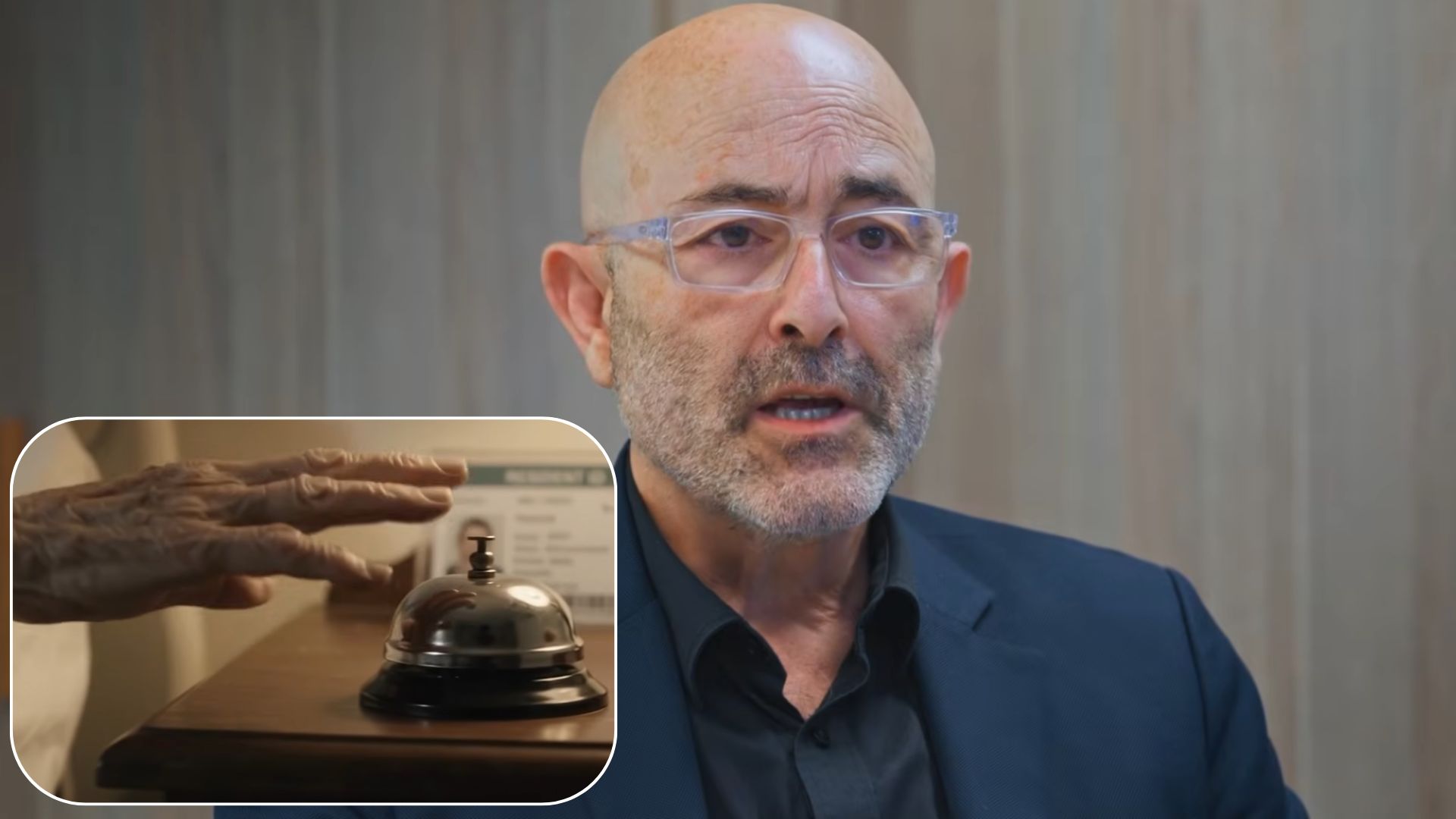
Royal Freemasons’ Benevolent Institution (RFBI) has now gone further with a video series built around RFBI CEO, Frank Price sharing his thoughts on the current dire situation facing aged care providers and older Australians, with an interesting parody of The Twilight Zone spliced in between.
While satire of this nature is unique for aged care, the shenanigans are sandwiched between a substantive argument from Price, who opens and closes with a direct account of the pressures he and other providers face. The AI-generated segment, the “Aged Care Zone”, sits in the middle to drive the point home.
In The Funding Crunch, Price argues that aged care funding is going backwards in real terms, failing to keep pace with wages, inflation, more complex care needs and the true cost of operating safe, high-quality services. Providers are expected to invest millions in new homes without a sustainable return, he says, and when the numbers do not add up, those places are not built.
The consequences reach well beyond aged care. Older Australians ready to leave hospital have nowhere appropriate to go, emergency departments become more crowded, elective surgery is delayed and families step away from work to fill the gaps. “This isn’t an aged care problem, it’s an Australian problem,” he says.
The parody then sets rising costs against 2.55 per cent funding growth, and the roughly 10,000 beds needed each year against the 800 the campaign says are arriving.
The Care Minute Trap turns from funding to policy design. Price says the reforms and the new Aged Care Act were introduced with the right intentions, but that good intentions do not always lead to good outcomes.
Care minutes, he says, were “a great idea”, designed to ensure homes had enough staff to deliver the care residents deserve. Over a short period, however, they have become a barrier to it, breaking care into prescribed tasks and stripping away its person-centred nature.
His example is deliberately simple: a resident asks a nurse or care worker for a glass of water, yet that time does not count towards care minutes. “A resident doesn’t care whether an interaction fits a government definition of care,” he says. “They care whether someone helped them, listened to them, and treated them with dignity.”
The parody dramatises the scene. A 91-year-old woman rings a bell, thirsty, and a nurse appears to deliver four words she never wanted to learn: “That’s not my job.” The narrator calls it “a failure of arithmetic.”
RFBI Chief Marketing Officer Alana Parker says the aim is not to ridicule the Government or start a blame game. The campaign is framed around the fact that reform was needed and the intent was good, but the results are not what was intended.
Parker says government is prescribing inputs and capping what it will pay for them, when a better way exists to achieve the outcomes the reforms were meant to deliver. Funding and care minutes are two linked messages, she says, with care minutes the highlight because they make up so much of the funding.
She acknowledges the videos land most easily with those already in the sector, for whom the parody reads almost as an inside joke. Price’s introductions and closing remarks provide the context for everyone else, and give the message a figurehead.
Each video ends with two appeals. Sector viewers are urged to come together and stand firm. The wider public is asked to contact their local member of parliament and ask what is being done to secure the future of aged care. End cards list contact details for Ageing Australia, COTA, Aged Care Minister Sam Rae and Health Minister Mark Butler.
Parker says the public call to action gives people a sense of agency, and reinforces that this is not just a sector problem. “When aged care fails, the hospital system and the whole healthcare system is going to fail, families will fail, and ultimately, every single Australian will fail,” she says.
Whether a series of videos can achieve what statements and submissions have not remains to be seen. But Price’s closing words in the second video leave little doubt about how RFBI sees the situation: “It is a crisis.”


