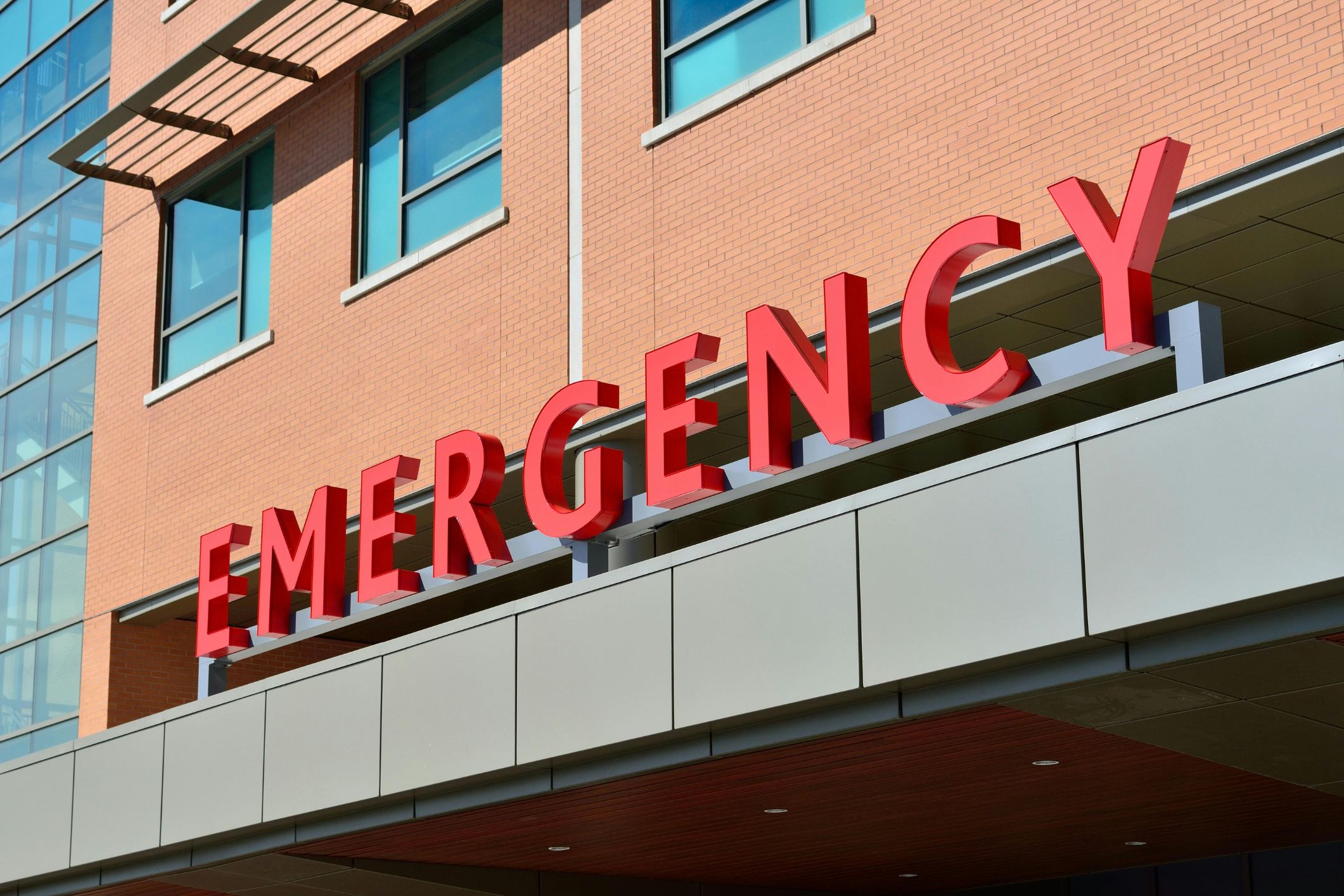
Nurses across Queensland say they are being silenced from speaking out about dangerous hospital conditions, with some fearing reprisals if they raise patient safety concerns. Reports from Bundaberg and Toowoomba hospitals paint a troubling picture of overcrowded wards, misdiagnoses and patients left waiting so long for treatment that they walk out and seek help elsewhere.
At Bundaberg Hospital, nurses have described patients with broken bones waiting up to 15 hours for X-rays before giving up and going home. A ward designed for 10 beds is said to be regularly holding 17 patients. Similar stories are emerging from Toowoomba Hospital, where staff have reported patients lying in hallways, including one who suffered a cardiac arrest.
Nurses claim they are pressured not to file incident reports and when they do, complaints are often closed without action. Kara Thomas, president of the Nurses’ Professional Association of Queensland, said frontline staff are being intimidated into silence.
“Feedback and government reviews show a toxic culture of fear resulting in risks hidden, not fixed — and that puts patients in danger,” she said. “Unless urgent action is taken, more patient harm is inevitable.”
The Queensland Nurses and Midwives’ Union has also raised alarm over workplace cultures, workload pressures and bullying within the health system. Secretary Sarah Beaman said the union condemned practices that stop nurses from advocating for patients or themselves.
“We recognise the brave nurses and midwives who have come forward,” she said. “Bullying behaviour cannot be allowed to continue.”
Health services, however, insist patients are safe. Wide Bay Hospital and Health Service said surge demand sometimes required patients to be placed in temporary areas, but insisted these spaces were “safely staffed”. Darling Downs Health pointed to national performance data showing higher numbers of seriously unwell patients presenting, but maintained that staffing ratios were in line with best practice.
A spokesperson for Acting Health Minister Dale Last said the situation was the result of a decade of underinvestment, blaming previous Labor governments for current hospital pressures.
Public reaction has been fierce. Online, some readers blamed the issue on migration, arguing that infrastructure cannot keep up with population growth. Others pushed back, pointing out that hospitals heavily rely on migrant workers to fill nursing and medical roles. One comment read: “Blaming migration is cheap and nasty; offers nothing to make things better.” Another noted that almost half the theatre staff at one Queensland hospital were first-generation migrants.
Beyond the migration debate, many believe the system is failing because of broader neglect. Commenters called for thousands of new hospital beds, more aged care places, and greater investment in GP access. Others highlighted barriers for nursing graduates, who cannot get work without completing graduate programs, despite widespread staff shortages. “It’s a catch-22,” one reader wrote. “Nurses can’t get a job without a grad position, and hospitals say they are short-staffed.”
While governments argue over blame, the reality on the ground is confronting: patients are waiting in corridors, nurses are scared to raise safety concerns, and some people are leaving hospitals untreated. For the staff who dedicate their lives to caring for others, the silence they are forced into may be the most dangerous symptom of all.





The culture as well as managements policy for excellence must enforce strict reporting of risks and hazards at all levels.
My mother was a patient at the Toowoomba base in 2026 . She had a massive surgery which trigger her infection that end her life. The staff at ICU where lovely but the surgeon knew he stuff up and push her into ICU. The state of the hospital is bloody dirty. The nurses are all over the place no communication so if cause there mistake of giving a patient the wrong medication. The administration stuff up her death certificate could get her birthdate right.