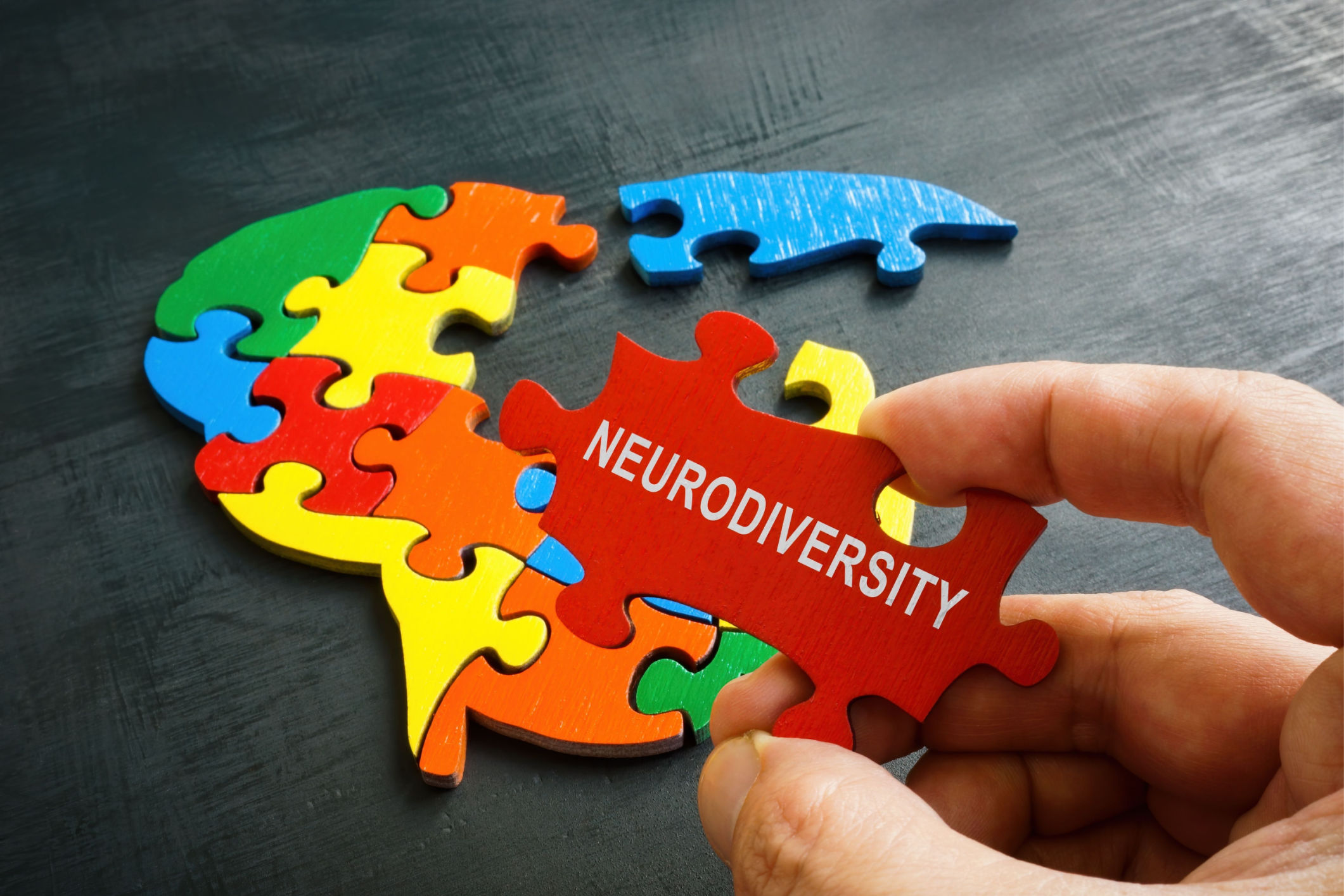
Understanding the nature of neurodivergent conditions, such as autism, has become much more common and has caused many older people to self-diagnose and seek help.
But this wave of potential patients is putting pressure on services, and this World Autism Awareness Month, experts are calling for more accessible and accurate early intervention measures.
Neurodivergent conditions are a group of developmental disorders that present in many different ways. They are also different from intellectual disabilities or mental illnesses, despite having overlapping symptoms.
Flinders University Professor of Psychology, Robyn Young, has more than 30 years’ worth of experience in the autism research field and said the internet has caused a spike in older people self-diagnosing.
“When I first started researching autism, the incidence was about 1 in 1000 people. This has risen to estimates of around 1 in 60,” she said.
“Many older Australians are now going online and finding ways to self-diagnose to negotiate the best support and health services but this could lead to a misdiagnosis.
“While part of this is due to increased education and awareness, the criteria has also been broadened… And with funding often linked to the diagnosis, diagnoses are being sought to enable people to access services.”
Professor Young said it’s unfortunate that services remain “diagnosis-driven” which leads to “money being spent on diagnoses rather than recognising the heterogeneity of the condition and the needs of the individual – irrespective of diagnosis”.
“Given that symptoms of autism overlap with other disorders, including trauma responses and anxiety, it is important that clinicians spend time assessing the cause of the presenting issues,” she explained.
“Autism is a neurodevelopmental disorder that must be present in childhood, hence an accurate and informed developmental history is critical in ensuring we understand the issues.”
There is a strong link between the age of diagnosis and earlier professional diagnosis leading to better outcomes, which restricts services to those who receive a medical diagnosis which often takes a lot of time and financial resources.
Based on Australian Bureau of Statistics (ABS) data, it is estimated that $40,000-$50,000 spent on informed interventions can stave off lifetime costs upwards of $2 million in healthcare and other support per person.
In the past, many older people did not know what the word “autism” meant and if they did, there were often negative stereotypes associated with the condition.
While there is no definitive number of older people with autism or other neurodivergent conditions who have still never officially been diagnosed with autism or received a diagnosis much later in life, the ABS estimates that 30 – 40% of the population is neurodivergent.


