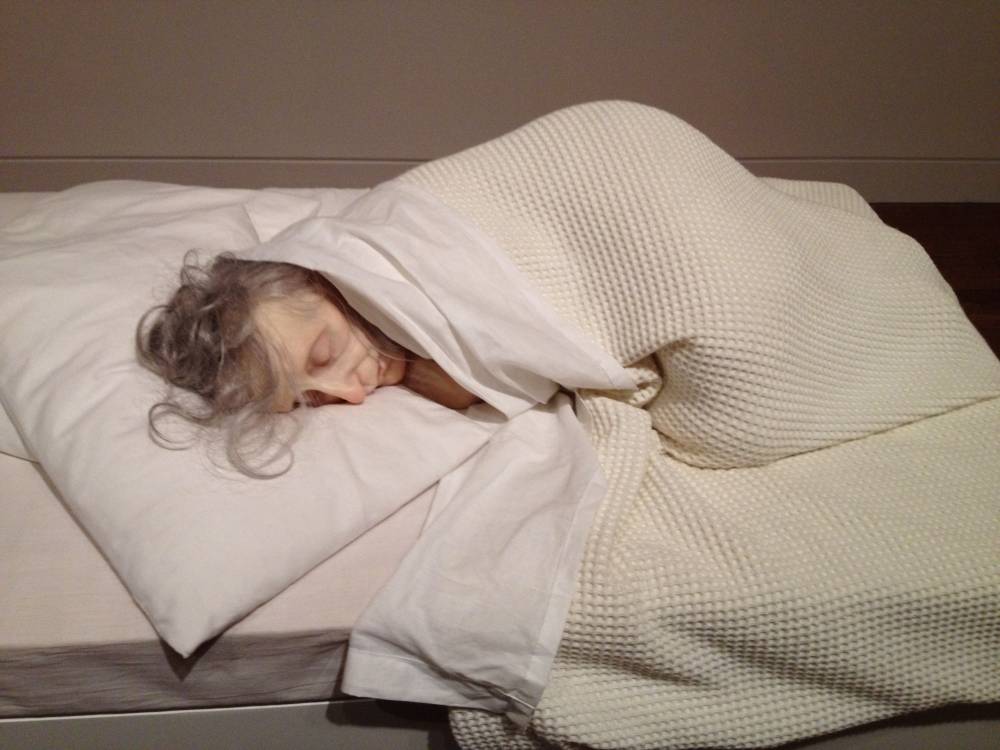
As we near the end of our lives, be it from old age and diseases that accompany ageing, or from late-stage cancer or other terminal illness, we tend to all go through the same processes.
According to the Pharmaceutical Journal, we may enter a pre-active dying phase after which we enter an active dying phase. Our organs begin to slow down, then shut down, our metabolism to falter, the disease to take over. In the pre-active dying phase, we may suffer from an affliction called Terminal Restlessness.
It is a spiritual, emotional, or physical agitation, a time of being unsettled in ourselves from many possible causes. This being “unsettled” is a form of delirium that may include confusion, paranoia, hallucination, fear or hostility.
We may get very irritable, even angry. We are physically restless and cannot think straight, reality blurs and dreams seem real. This becomes very distressing for the family.
In one case, a woman named Anne who cared for her sister in the last stage of endometrial cancer states that terminal restlessness presented first as agitation and confusion. In Anne’s words –
Maria became very upset and wanted to go home. She forgot that she was paralyzed and thought that if she could just get help exercising her legs she’d be able to stand up and walk out of the care home. She forgot that she was under hospice care and became convinced that the caregivers were trying to kill her. This was heartbreaking for our family. We loved her so much and only wanted for her to have a peaceful, pain-free passing. Instead she suffered through three torturous weeks until calming her final week.
Terminal restlessness can be caused by the very medications needed to control a patient’s pain. The woman above had two massive tumours wrapped around her inner organs and spine, causing agony that could only be relieved with morphine.
The opioid may have contributed to her confusion and delirium, but hospice and the family couldn’t risk lowering her dosage. Other causes of terminal restlessness include decreased oxygen to the brain, dehydration, anaemia, infections and fevers, urinary retention, constipation or faecal impaction, fear, anxiety, emotional turmoil, cancer treatments.
In this instance, the woman suffered an impacted bowel with 12 hours of associated vomiting – the pain and dehydration exacerbated her confusion and fear. She was already suffering from anaemia due to the chemotherapy she’d undergone for weeks, she had developed a urinary tract infection and was running a low-grade fever. All of these conditions potentially contributed to her terminal restlessness.
Knowing and understanding what to expect from these terminal phases better equips us to deal with the death of our loved one. When we recognize the signs and symptoms of terminal restlessness, and understand its causes, we are better able to provide comfort and deal with otherwise upsetting behaviour. We know not to take it personally if the patient should act angry or upset.
Aside from trying to pinpoint exactly what is causing the terminal restlessness, and trying to treat that specific condition, it’s important to also comfort and soothe the patient’s overall distress;
In the case of Maria, she just wanted her sister to sit next to her while she slept. She seemed to enjoy gentle music with the volume turned low.
Maria required catheterization during the third and last week of her pre-active dying stage, and then palliative medication (Ativan), and suctioning in her last days.
She responded best to tangible expressions of love and compassion; stroking her arm lightly, putting lotion on her skin, wiping her face gently with a moistened cloth, placing ice chips in her mouth, or putting salve on her chapped lips – all calmed her. Her agitation would noticeably diminish each time and she would settle.
On her last day she opened her eyes to gaze upwards towards a corner of the room with a sweet smile on her face – but she wasn’t seeing the room any longer. Her favorite music played continuously the entire day and she was serene at last.
What do you have to say? Comment, share and like below.





Great read…. is a shame in the age care sector that we don’t get to spend the time in those final days .
Hi Debbie, where my husband is, the care home have said I can put a bed in his room , and stay with him,
so that gives me peace of mind, so I’m sure if people ask if they can stay with their loved ones, I think most homes would oblige.
Debbie…you are wrong, family can spend as long as they like, my father slept there a couple of times, particularly the last night. Neither my Mum or my Sister were restless (my sister was snoring day and night for a couple of days before she died) however both went peacefully.
Same symtoms as Dimentia