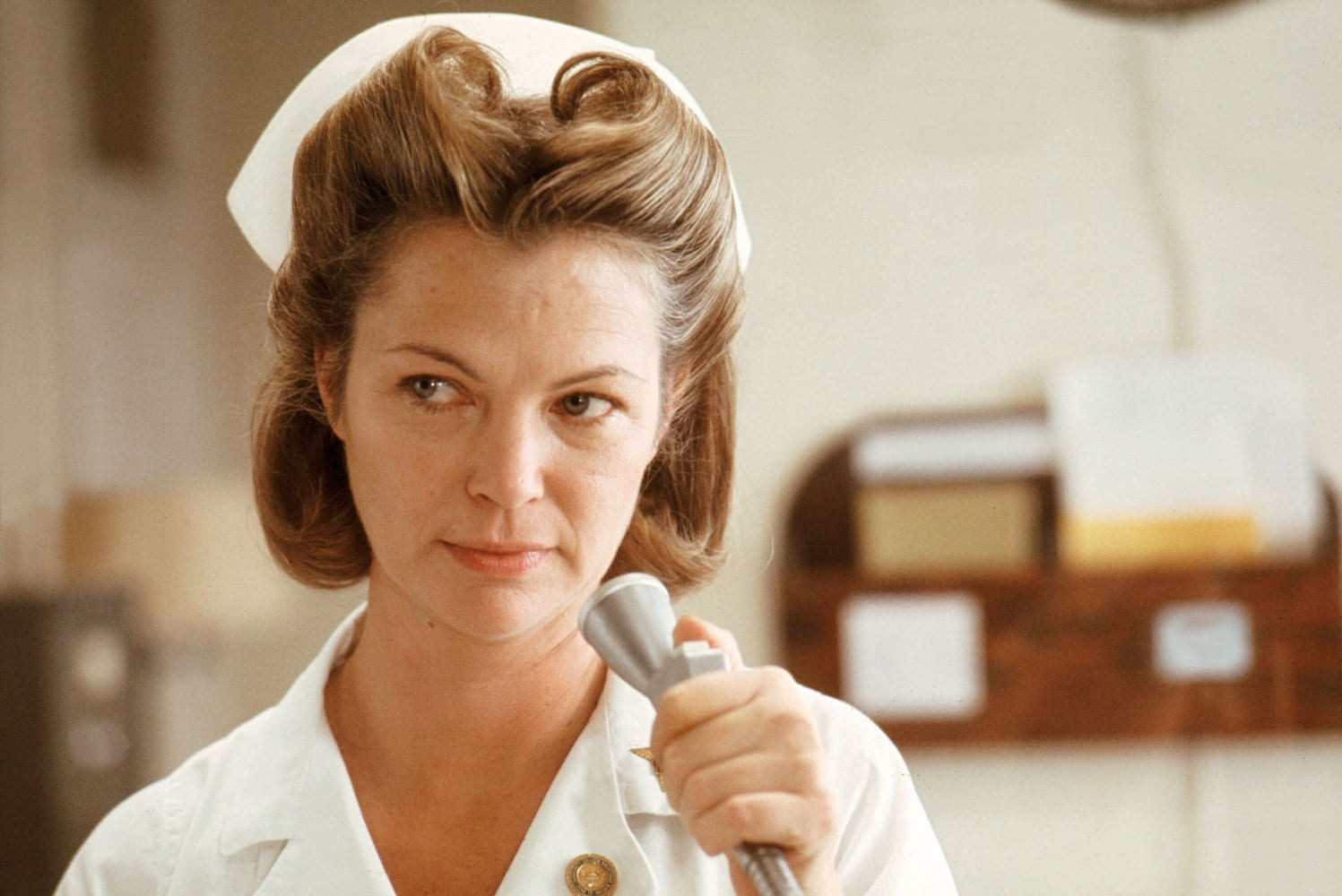
You went into nursing as a profession because you are compassionate, great at solving problems, and a hard worker. The last thing you ever expected was to face a bully in your workplace. Suddenly heading to hospital or the aged care facility in the morning causes feelings of anxiety and panic like you are in primary school and dealing with a mean girl who won’t leave you alone. And unlike primary school, you can’t go to your teacher or parents for help dealing with your workplace bully.
First, know that you are not imagining things and that you are not alone. It’s no secret that there is bullying within the nursing profession, behaviour which includes intimidation and name-calling has become a nursing epidemic. New employees, newly graduated nurses, bank and agency nurses are particularly susceptible to bullying by senior nurses. This bullying by and directed toward nurses not only turns the workplace into a living hell for many nurses, but it also puts patients at risk. The bullying of younger, less experienced nurses even has its own sinister catchphrase: “Nurses eat their young.”
Bullying by adults in the workplace can be a lot more subtle than childhood bullying, and this subtlety can cause you to question your own perception of what’s happening. While it is unlikely you will get beat up on the way to your car, modern workplace bullying can still have a very serious psychological effect, leading to fear, depression, and anxiety. Here are some of the ways bullying manifests itself in a hospital or aged care setting:
Workplace bullying is typically repetitive (ie, not a one time occurrence) and leads to feeling demeaned, embarrassed, or scared at work. The bully may be a colleague, supervisor, or even a subordinate, and their goal (whether they realise it or not) is to make themselves feel more powerful by making you feel as diminished as possible.
As a victim it can feel as though there is little you can do against a bully but as a nurse it is important that you stand up to bullying when you see it. That is the only way that bullying in nursing will stop.
It is also important to not commit this bullying behaviour yourself. Don’t be the nurse who has no patience for new graduates – show them the kindness and compassion that you would appreciate when starting a new job. Don’t be the nurse who loves to gossip or who only wants to work with friends – be kind to your coworkers, even if you don’t know them.
Studies have shown that workplace bullying within the nursing profession leads to higher rates of turnover and many bullied nurses either transfer to a different job or leave the nursing profession altogether. A better approach whenever possible is to do everything you can to take charge of the situation and help create a safe, tolerant, bullying-free work environment for yourself and your fellow nurses.
First, it’s necessary to report the bullying behaviour to the correct person. In many hospitals there is an official workplace grievance procedure through your HR department. Do not feel guilty or afraid of reporting bullying behaviour: you are not the one who has done something wrong, and by proactively reporting the behaviours you are helping to protect your colleagues and ensuring the perpetrator is reprimanded and penalised appropriately. Make sure to accurately document every instance of bullying, including what was said, the date and time, and whether there were any witnesses.
Another great idea is to enlist the help of a few like-minded colleagues and create a bullying awareness program at work. This may involve giving presentations with required attendance or incorporating anti-bullying literature into new hire paperwork.
Finally, don’t forget to take care of yourself. Being the victim of bullying is scary and can bring up past emotional wounds. You may find it helpful to seek professional counselling, practice good self care by getting daily exercise, eating well, and meditating, and writing about your experiences in a journal.
If you are facing distress as a result of bullying, please contact Lifeline on 13 11 14 or visit the Lifeline website.





This is sad; but true; I am currently facilitating student nurses & I have had students come to me in tears because one the ward staff have abused them: These young people are the future of nursing & if we do not nuture & encourage them then they will not stay in the profession: We need them for our future: We also need to teach them that bullying should never be tolerated
I’m an hr manager for a large aged care facility. I intend to share this with staff, with your permission. I’d also like to subscribe.
Hello Sonia,
Please feel free to share with staff or anyone else that you think may benefit from this article.
As a HR manager, if you ever have any topic ideas or stories that you would like to share, please feel free to email our creative director at jakob@hellocaremail.com.au