
When the original ‘Town Square’ opened its doors to visitors in August 2018, the reactions from senior attendees and their families was nothing short of inspiring.
Those who passed through the doors of a generic beige warehouse located on Main Street in Chula Vista, found themselves entering the 9,000 square-foot working replica of a 1950’s suburb adorned with all the sights and sounds of their youth.
Reminiscence therapy (often called time travel therapy) encourages people with dementia and age-related cognitive impairments to speak about past events and life experiences by utilising objects from their formative years to stimulate memories.
Studies have shown that this type of therapy has a positive effect on the mood, communication, and cognitive ability of dementia patients, ultimately enriching their lives.
While Town Square is not the first-ever replica town, the success of the first version has resulted in a second Town Square opening its doors outside of Baltimore in the US.
The Town Square concept has actually be franchised by an American in-home care provider called Senior Helpers, and they are now looking to open 11 locations throughout the entire US and become pioneers in the adult daycare market.
This particular Town Square can handle up to 300 visitors and comes equipped with a 1950’s style movie theatre, diner, living room and the stunning beauty of a 1955 Chevrolet Bel Air with an immaculate set of white-walls.
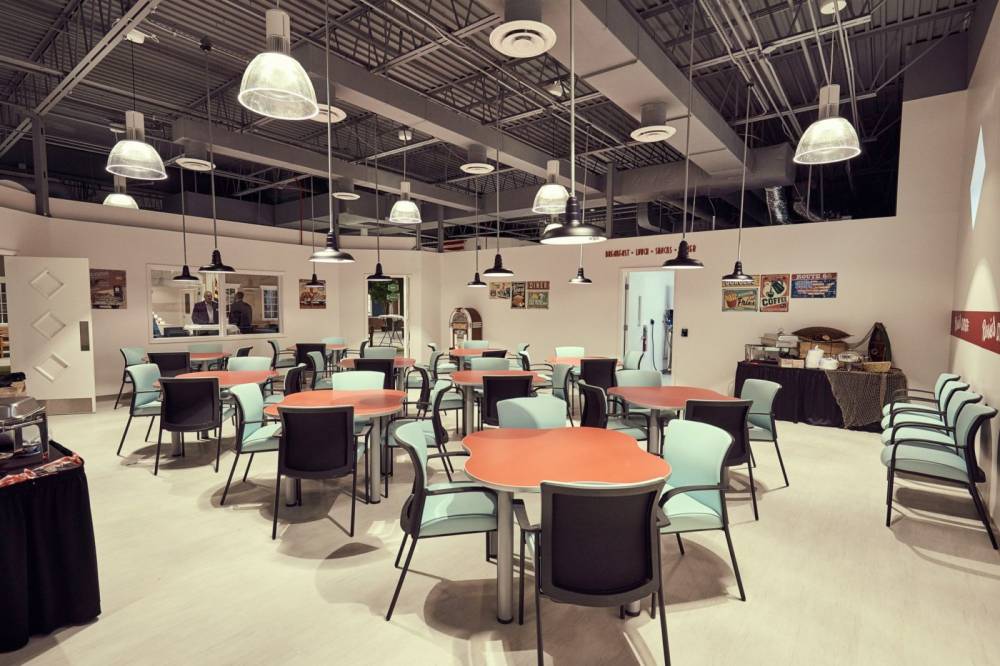
Visitors are grouped together based upon cognitive ability and assisted through various locations within the new Town Square to take part in activities.
Executives are hoping that one of the most attractive features for families will be the pricing, as Town Square charges attendees $12 hour while in-home care costs can be upwards of $25 an hour.
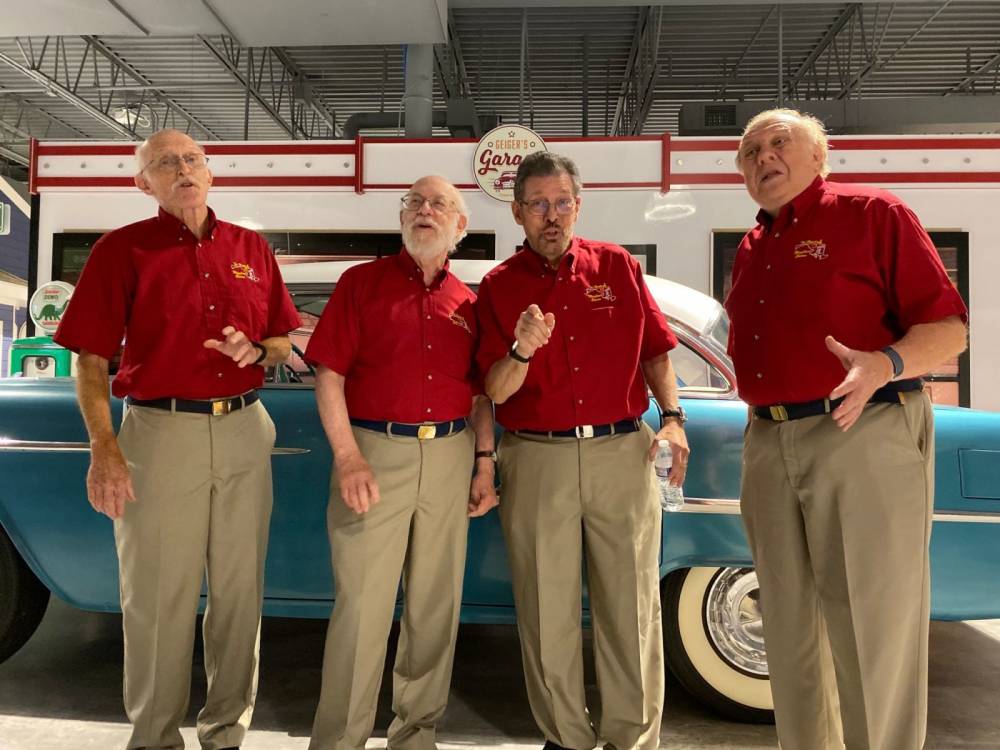
The new Town Square can hold more people than the original and although the exterior will remain the same, the intention is that the inside will change to meet the needs of the changing generations of seniors.
Australia is also no stranger to replica villages.
Sydney’s Scalabrini Village is a retro-Italian themed aged care facility that focuses on presenting residents with a controlled community environment with a European flavour and Tasmanians
While Tasmanians can look forward to the construction of a new state-of-the-art assisted living facility known as the Korongee Complex, that will cater to the needs of those living with dementia.
Although towns and complexes like these are obviously fantastic initiatives, the majority of elderly people will not have access to these facilities – but the ideas behind them can be applied in day to day life.
The elderly can utilise memory aids from around the home such as photos, movies, and music from their adolescence to help recall some of their life’s most pivotal moments and reconnect with who they are.
Meaning, that when it comes to exploring the future of dementia treatment, we should actually start to turn around and begin to look at the past.
Photos Courtesy of Town Square/Havas Formula


