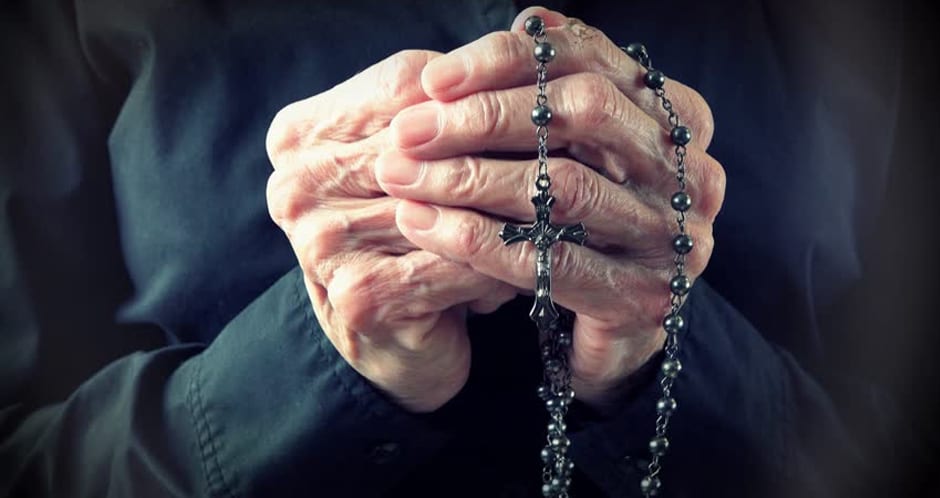
While the world continues to change, the state of senior care does as well. Those in their later stages of life can feel forgotten.
An increasing percentage of older people are now being admitted into facilities at older ages, when their physical and mental abilities seem to be in rapid decline. Experiencing the sudden break in their usual home and social environments can be daunting. Breakthroughs in medicine and technology have give the world longer life expectancy rates, but the question we face today is that of reforming geriatric care to include a spiritual element. Inclusion of spiritual care as well as the body is also one of the only ways to combat the feelings of despair and hopelessness that may be inherent for older individuals.
Research shows that individuals having a purpose are likely to live longer than those without a firm sense of direction. This high sense of purpose has been directly linked to lower cardiovascular events and a better attitude towards life in general. Seniors entering into facility care are likely to entertain these feelings at one point during their stay. However, it is important for them to realise they still have a purpose, although its form may have changed. A hectic business schedule or children may not motivate their daily routines, however their purpose now is still very important and spiritual care assists elders in affirming this.
What causes a sense of hopelessness? All life circumstances differ, however older people who are not socially or intellectually engaged run a higher risk of having feelings of hopelessness. While their physical ailments are treated, the suffering that is endured is commonly overlooked. Healing should be holistic, taking place in both the body, mind and spirit. Definite psychological factors are at play in treating seniors that have been long overlooked by conventional medicine. It may be time to acknowledge that integration of physical and spiritual care is needed at this time, as seniors are more aware than of how fleeting mortality really is.
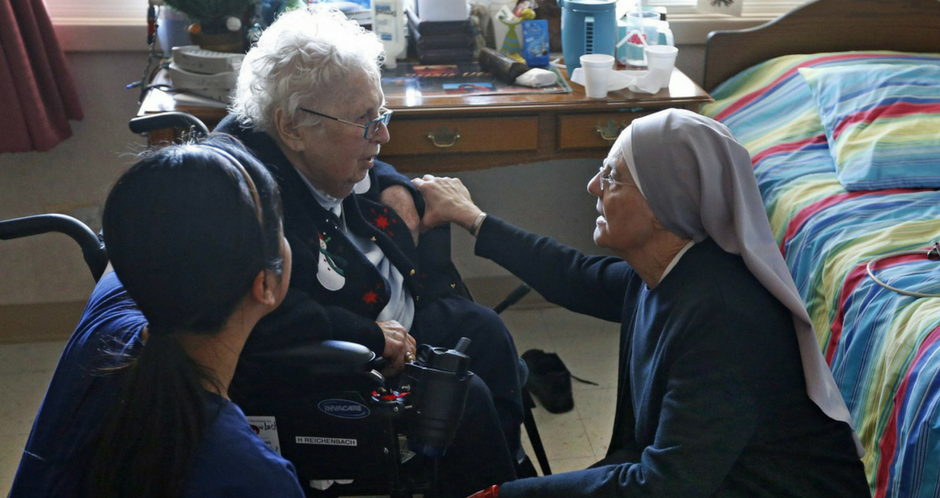
Caretakers work with elders to tailor spiritual care to their wishes and background, giving them something to affirm that their lives are full of purpose. This not only engages older individuals, keeping them connected to a sense of purpose, but also allows them a means by which to process their suffering. Many spiritual systems are concerned with the nature of suffering and its meaning in our lives. This is one common trait between all major religions practiced in the world today. While suffering will always exist, the perspective which allows us to view it within the context of future hope is vital for life and self-development.
Spiritual care can take many forms according to the wishes of the individual. Whether in hospital or residing in a long-term care facility there are chaplains available who administer to the needs of different faiths. One does not need to be particularly observant or religious to receive spiritual guidance from a registered chaplain. The wonderful aspect of chaplaincy, is the experience chaplains have gained through working with individuals coming from different backgrounds. Meditation and mindfulness are the key focuses in spiritual care and provide a practice in dealing with loss and suffering.
The conversation on spiritual care will continue as medicine for elder care individuals is already starting to see the scientifically proven benefits of holistic care. The later stages of life can be an incredibly challenging time and finding meaning near the end of life can be difficult. Those who have had a lifelong relationship with the church may break with their church or sect, not finding the consolation that they need. Others who may have lapsed in their younger years may seek to create a reconnection. Whatever the case, the need for spiritual guidance and purpose should not be ignored.



5