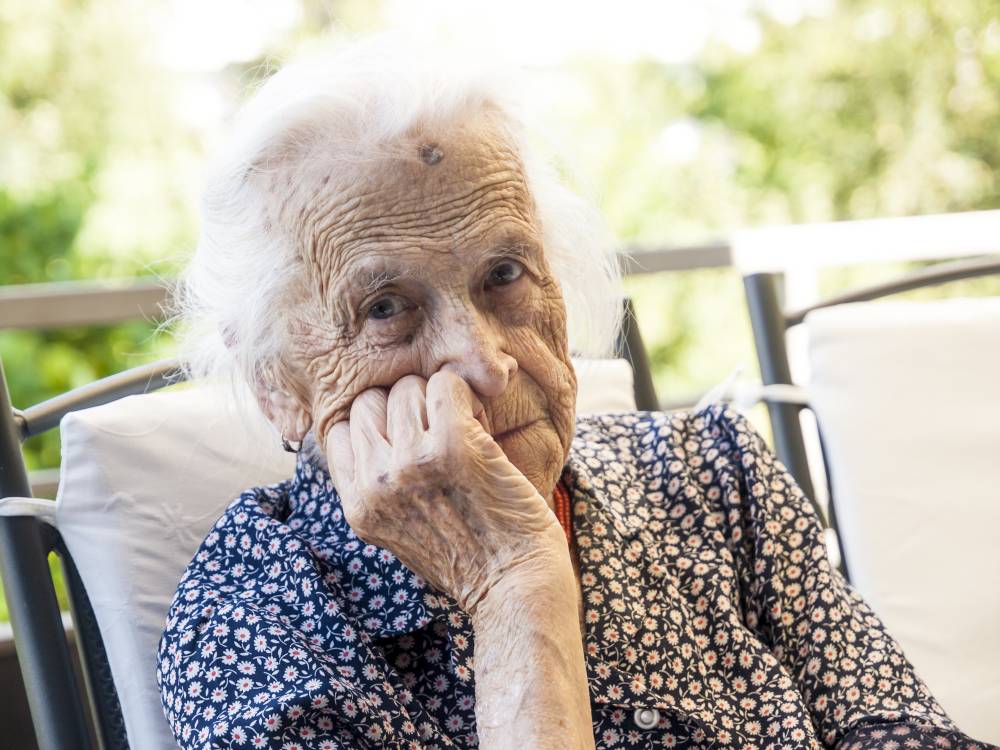
What can we do to increase our chances of living beyond the age of 100?
That was one many questions being considered at the Centre for Healthy Brain Ageing’s Living to 100 Conference held in Sydney last week.
The conference opened with leading centenarian researchers from around the world summarising their latest findings.
Associate Professor Yasuyuki Gondo, from Japan, the country with the highest rate of centenarians in the world, spoke of the importance to centenarians in maintaining a purpose in life. He said he was “surprised” by the answer of a bed-bound 105-year-old when he asked, “Do you sometimes think life isn’t worth living?”
“I can be a talk pal for my daughter as long as I’m living,” the woman explained. Keeping her daughter company was her purpose in life, and that purpose helped to sustain her.
Assoc Prof Gondo said population trends indicate that within 20 years, the life expectancy for women is expected to reach 89 and for men to reach 82, and that a “super ageing society” lies ahead of us.
Dr Ugo Lucca, from Italy, agreed with Assoc Prof Gondo’s prediction that the number of centenarians is likely to grow rapidly in the years ahead.
He also stressed the desirability of remaining physically and mentally healthy into old age, quoting American anthropologist Ashley Montagu, “The idea is to die young as late as possible.”
Professor Peter Martin from the USA said quality of life for centenarians depends on good physical health, remaining functionally independent, mental health, and psychological wellbeing. Professor Martin has found that health problems have the greatest impact on centenarian’s psychological wellbeing.
Professor Martin also pointed out that despite the panel’s deep knowledge of centenarians, “Not a single centenarian researcher has made it to 100 yet.”
Professor Ingmar Skoog from Sweden said sometimes it was difficult for him to get centenarians to agree to be part of his studies, and showed a picture of one hundred-year old woman who told him she’d prefer to keep climbing mountains than taking part in his project.
Professor Skoog spoke of the prevalence of loneliness amongst older people.
Adam Theobald, coordinator of the Sydney Centenarian Study, spoke about what determines successful ageing and the Study’s latest findings.
Mr Theobald shared what centenarians themselves say are the secrets to their long lives.
“I’ve never had takeaway food in my life,” one said.
“Never get jealous and don’t worry about what others have,” said another.
And the final word? “It just happened. I can’t believe I lived so long.”





My aunt is 102 years old today.
That’s amazing! Happy birthday to your Aunt 🙂