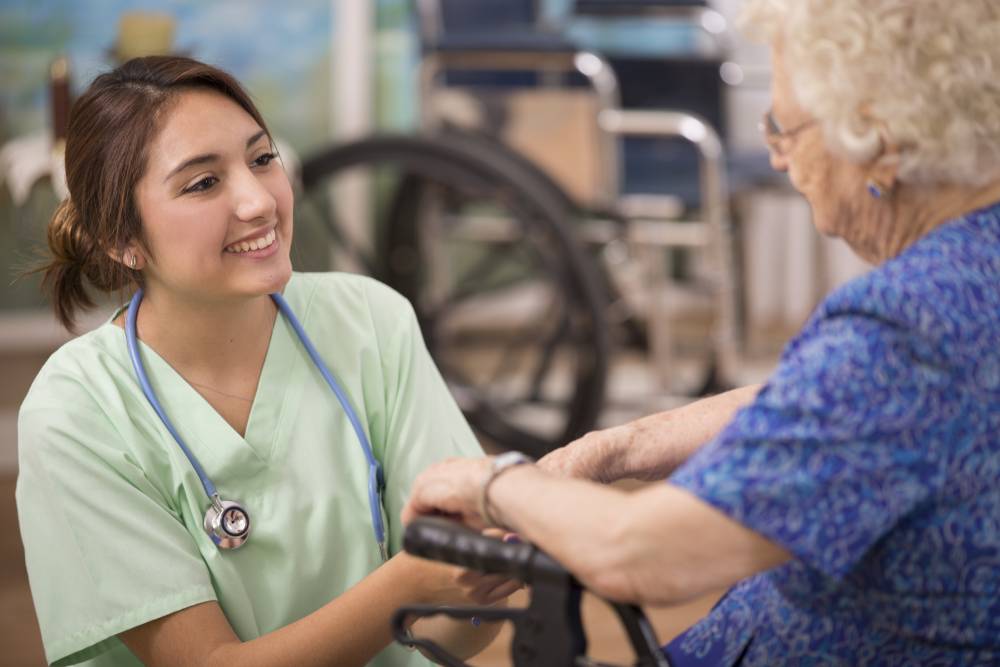
An aged care facility can only deliver the standard of care we expect for our seniors if compassionate, committed, and educated staff are tending to residents empathetically and knowledgeably.
It is the quality of care that these staff provide on the floor to residents all day, every day that is the measure of the industry, and will be the single most important determinant of the quality of life for residents in aged care.
The best aged care staff possess a unique set of skills.
They must have genuine compassion for elderly people, and authentic concern for their wellbeing.
They must also be have a firm knowledge of the specific skills that are required to care for older people to understand their specific needs, and ensure they are comfortable and cared for.
Without these personality traits and skills, it is impossible for the industry to deliver the standard of care we expect for older Australians – the standard of care we would expect for our own loves ones.
It has to be said that aged care staff are the backbone of the industry.
Yet, despite the fundamental importance of the aged care workforce, the process of recruiting, training and retaining aged care staff still remains a difficult area for many operators.
It can be difficult for operators to identify who has the right personality traits during the recruitment process.
Similarly, staff may find when they do start to work in an aged care facility, they are not actually suited to the work.
They may not have the compassion or empathy required to work with older people, or they simply may find they don’t like the work.
One of the problems that operators face is that new staff coming into aged care for the first time often lack the hands-on knowledge of the duties they have to perform and inadequate classroom based training can sometimes result in staff that are ill-prepared, when they first come to work in aged care.
For example, learning to shower an older person may be covered in a training course, but the training may have little relevance to the lived experience of performing this very intimate, human service.

Traineeships are a well-regarded tool in the aged care industry, and are widely used to ensure staff have the practical skills and knowledge that they require at work.
Traineeships can also offer the opportunity for staff development, a significant tool that can help with either retaining staff or offering career progression. Training can also help boost morale, by making staff feel their company is prepared to invest in them.
Dr Rodney Jilek, Principal Adviser, Aged Care Consulting and Advisory Services, has used traineeships many times over the years to both train and develop aged care staff for a number of providers.
“Traineeships can be a great experience for both the organisation and the individual participant,” he said.
He said the key to successful traineeships is finding a suitable training organisation to work with.
MAS National are an Australian Apprenticeship Support Network provider that offers aged care organisations a free service to support their workforce development processes through the use of traineeships and can provide expert advice on suitable training provider options.
MAS National has a twenty-year track record of providing best-practice traineeship programs that boost the quality and flexibility of both current and future staff.
MAS National’s services are Government funded and come at no cost to the organisation, giving aged care employers peace of mind that the workforce they are recruiting and training will have the skills and confidence they need to perform their job to the highest standards, both now and into the future.
MAS National are conducting a national poll of aged care providers to gage their experience and feedback about Traineeships within the aged care industry.
MAS National partner with aged care employers (large and small) to assist with their workforce planning and are your trusted advisor when it comes to all things Apprenticeships.
Contact MAS today on 1300 627 628 or info@masnational.com.au





Traineeships are a good idea as the person will understand and see what it is like to work in Aged Care. The problem then arises as I am finding as a Carer I have gone on and self-educated myself and now have a diploma in Massage and diploma in dementia care to be told that as a Carer unless I do EEN or RN the diplomas are worth nothing and I will not be getting any increase in pay. Just a big slap all round
There are some issues around accountability …. meaning in the event of an adverse incident by not belonging to a professional body you open up a case for vicarious liability. Why not get your EN or RN would be interested to know why you do not see this as a career opportunity?