In the aged care sector, we are very aware of the roles that doctors, nurses and carers play in nurturing and caring for our elderly. We acknowledge all that they do, they receive training and qualifications to ensure their work is of a high standard, and they are highly valued and appreciated for their work.
But how often do we think of those on the periphery in nursing homes?
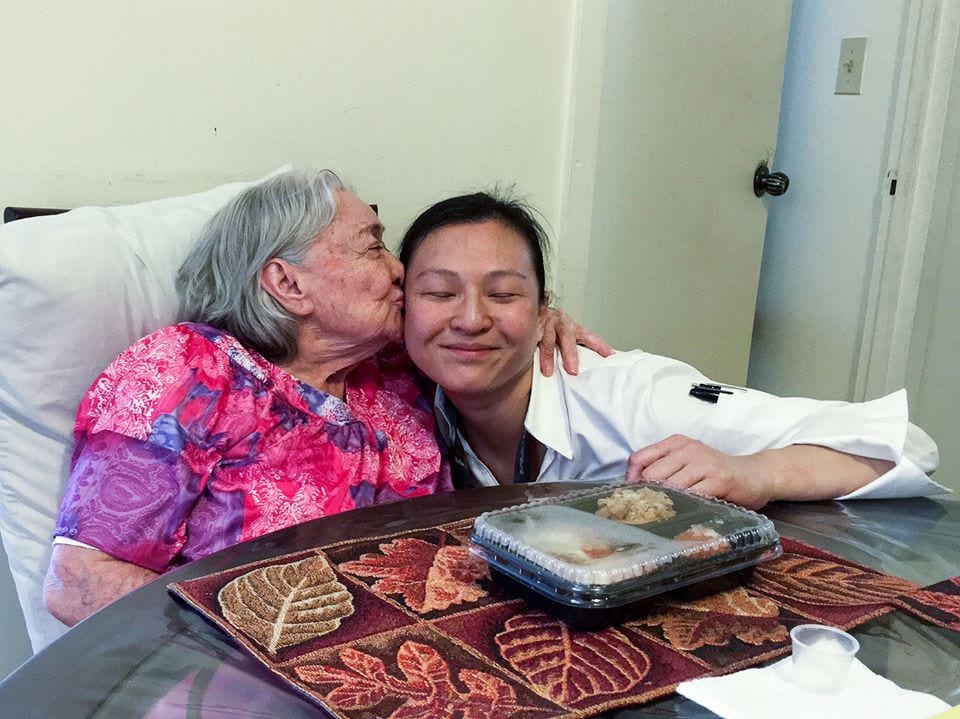
New research shows that cleaners, who are often on the periphery in aged care facilities, regularly develop nurturing and supportive friendships with the elderly where they work.
These friendships are highly valued by both cleaner and resident.
Cleaners perform an essential function in nursing homes, hospitals, and palliative care – every day, around the clock, they keep facilities clean.
Are we missing out on opportunities to help cleaners gain more satisfaction from their work, while at the same time providing a more enriching care experience for residents? Are we preparing those on the periphery in aged care with the training they need to support the elderly, and do we acknowledge the suffering they may experience when a resident dies?
New research has shown that cleaners believe they play an important role in not only cleaning, but also in supporting patients.
In addition, patients appreciate being able to talk to cleaners, who are often visiting them on a regular basis, even daily.
The study used focus groups and surveys to examine how cleaning staff interacted with seriously ill and dying patients at a university hospital in Germany.
The study found that about half of the cleaners they spoke to interacted with patients every day, generally for between one and three minutes. Three minutes is quite a significant amount of time for a patient, some of whom sadly may receive few visitors of their own.
The conversations between the cleaner and the patient were usually light and casual, covering topics such as the weather and family.
But conversations did sometimes veer towards more serious weighty topics, such as the health of the patient, and what they are unwell with, and sometimes cleaners even discussed topics such as the patient’s thoughts about dying.
Clearly, the interactions observed in the study were not inconsequential for either the cleaner or the patient.
The study concluded that both cleaners and patients benefit from their interactions with each other. The cleaners enjoy being able to support patients, and the patients enjoy the company of the cleaners. Patients felt they could talk to “openly” with the cleaners, perhaps without some of the emotions that can be attached to talking to family at such a sad and pivotal time of life.
“Cleaning staff perceive that they have an important role in the clinic – not only cleaning, but also supporting patients. Likewise, patients appreciate being able to speak openly with cleaning staff,” the study concluded.
Yet, more can be done the researchers said, suggesting that cleaners may benefit from training to help them discuss topics such as illness and death with patients without causing hurt or offence.
Have you observed meaningful and supportive friendships that have developed between a resident and someone on the periphery of a nursing home, such as a cleaner?


