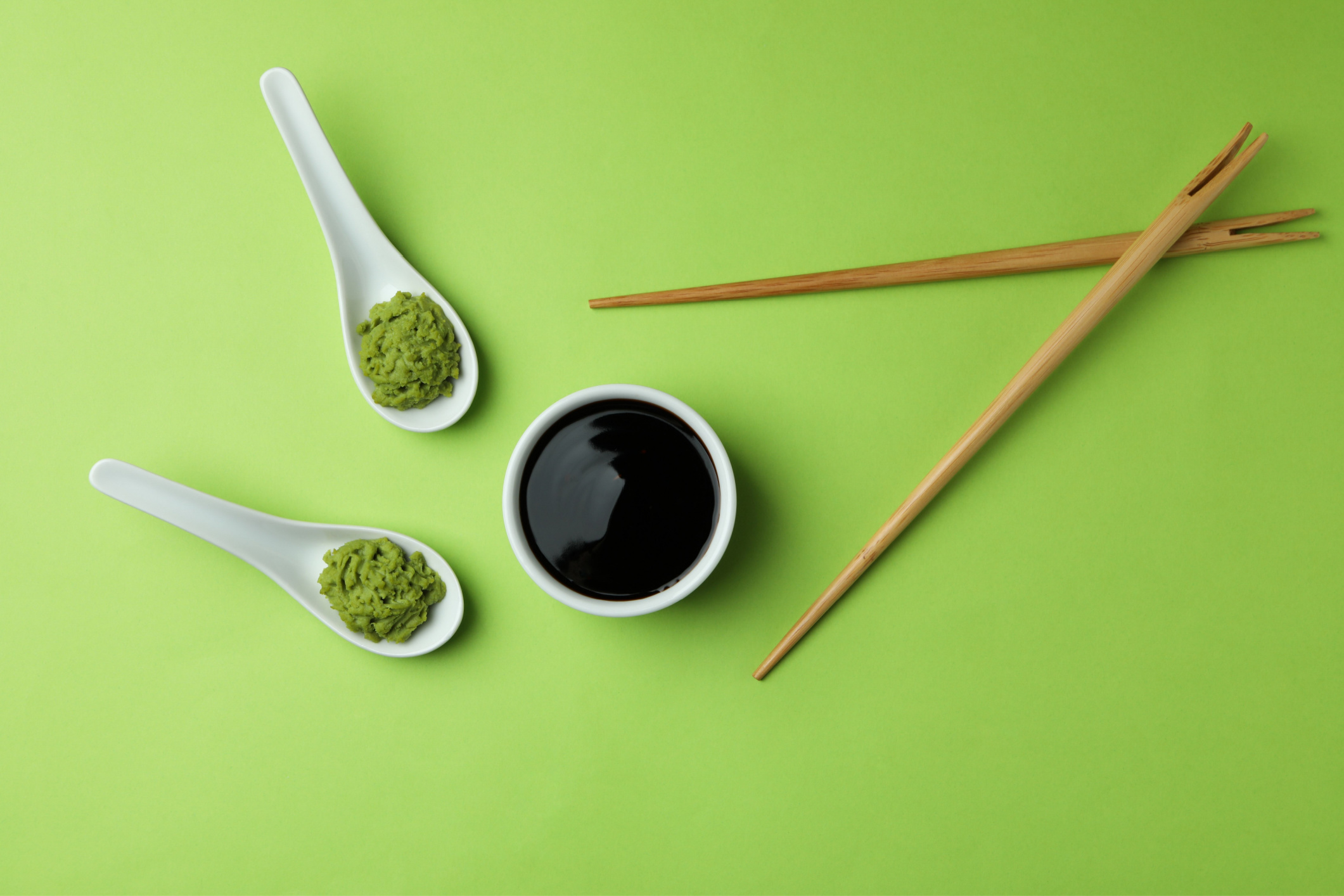
Good news for sushi lovers! A new study shows that the popular Japanese condiment wasabi could improve some types of cognitive function in those over 60.
A small number of studies have previously shown the positive effect of spices and herbs on cognition as well as the ingredients in wasabi but they had not been extensively studied among older people.
To build on these findings, a Japanese research team ran a trial involving 72 adults aged over 60 across the course of 12 weeks. Half of the group took a wasabi tablet once a day, while the second half took a placebo tablet.
“Older adults with lower cognitive performances feel difficulties in daily behaviours such as shopping, banking, and cooking,” Researchers wrote in their published paper in Nutrients.
“Therefore, it is important to improve cognitive functions in older adults.”
At the end of the experiment, those who had taken the wasabi tablets showed significantly better performance in their episodic memory (recalling events from the past) and working memory (holding information temporarily) based on a series of cognitive tests.
The ingredient, 6 methylsulfinyl hexyl isothiocyanate (6-MSITC), is a bioactive compound that also has antioxidant and anti-inflammatory effects that slow down damage to cells and protect them.
Researchers wrote that these antioxidants and anti-inflammatories have an important role in cognitive health in older adults.
“These findings suggest that the 12 weeks’ 6-MSITC intake selectively enhances working and episodic memory functions in healthy older adults,” wrote the researchers.
The team hypothesise the results are from 6-MSITC affecting the hippocampus part of the brain, which is particularly important for memory function and now wants to look in more detail at what might be happening on the biological and molecular level.
When it comes to maintaining healthy brains as we age, picking foods that are good for us and are known to have beneficial effects can be the first step in improving cognitive function.





Hello,
Can you please advise on the availability of these tablets or capsules?
I live in Perth Western Australia.
Can you list the foods that are helpful with cogmitive functions. Is this 6-MSITC available on any food supplement?