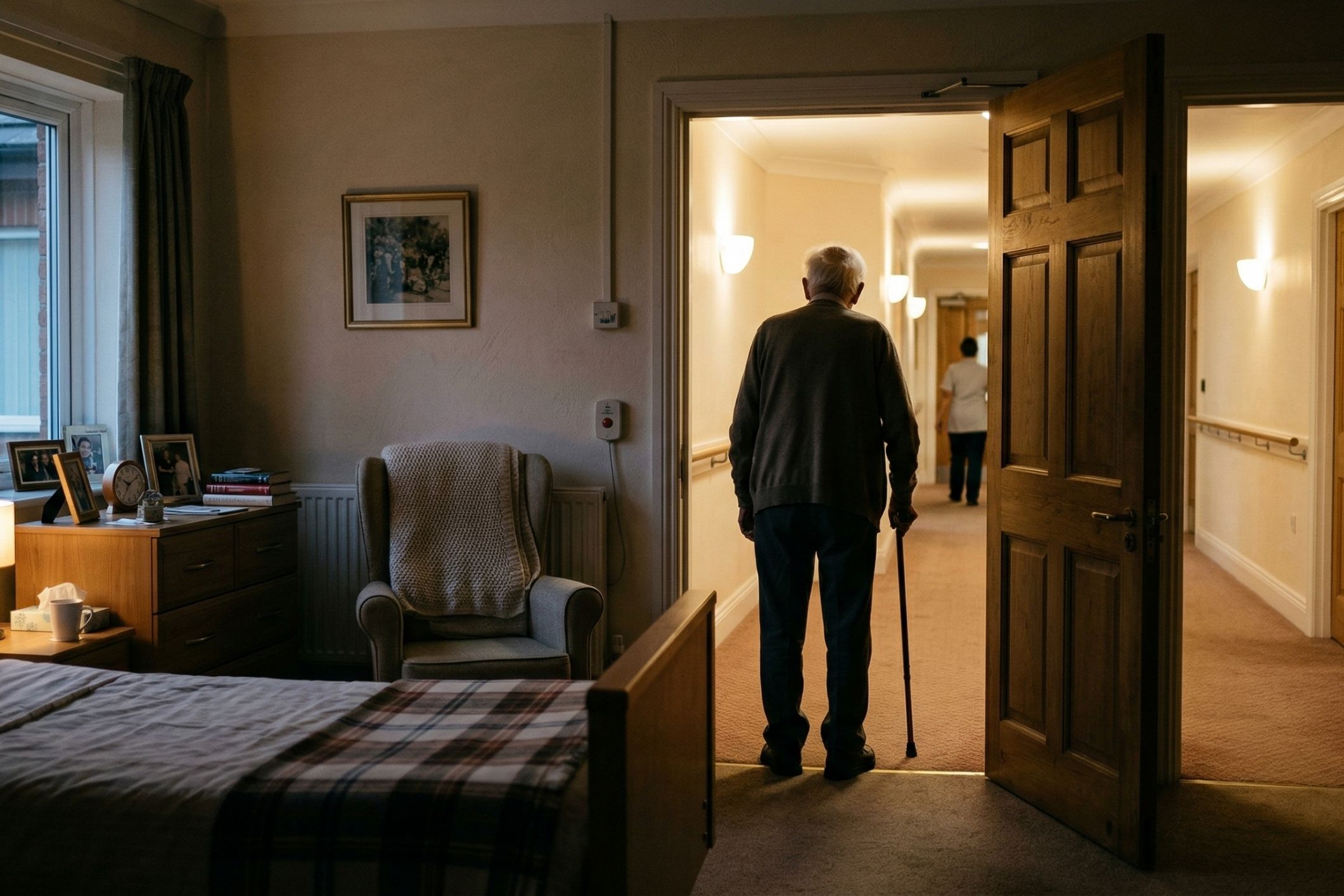
An elderly Brisbane man accused of killing a fellow resident in an aged care home will be allowed to remain in care while his case proceeds through the courts, in a decision that highlights the complexities of dealing with serious criminal allegations involving people with advanced cognitive decline.
The 84-year-old, who lives with dementia and significant frailty, is facing a manslaughter charge following the death of another resident at the same facility earlier this year. The court heard the incident allegedly occurred during an altercation inside the aged care home where both men were living.
Rather than being taken into custody or granted bail in the usual way, the man will continue residing in the secure dementia unit of the care facility under the supervision of staff. The arrangement was made possible under provisions of Queensland law that allow individuals with impaired mental capacity to be released into appropriate care without the need for bail.
During the hearing, medical evidence was presented outlining the man’s condition. A report from his treating doctor described him as severely frail and living with advanced Alzheimer’s disease, with a markedly reduced ability to communicate and function independently. The magistrate accepted that his cognitive impairment substantially limits his capacity, making traditional detention arrangements unsuitable.
Importantly, the prosecution did not oppose the application. The court was told that allowing the man to remain in specialised care was appropriate given his health and the circumstances of the case. This agreement between both parties reflects a broader recognition within the legal system that standard processes are not always appropriate for vulnerable individuals with complex medical needs.
The decision also meant that a previously issued arrest warrant was withdrawn, removing the immediate prospect of the man being taken into custody. Instead, responsibility for his supervision remains with the aged care provider, where he continues to receive round-the-clock support.
Legal experts note that cases like this sit at the intersection of criminal justice and health care. Courts must weigh the seriousness of the alegations against the accused person’s mental capacity, physical health, and risk to the community.
In situations involving dementia, questions of intent, awareness and fitness to stand trial can become central issues as proceedings move forward.
The case is expected to return to court later this month, where further updates may be provided and additional medical or legal considerations could be examined. For now, the man remains in familiar surroundings, as the justice system navigates a path that balances accountability with compassion.


