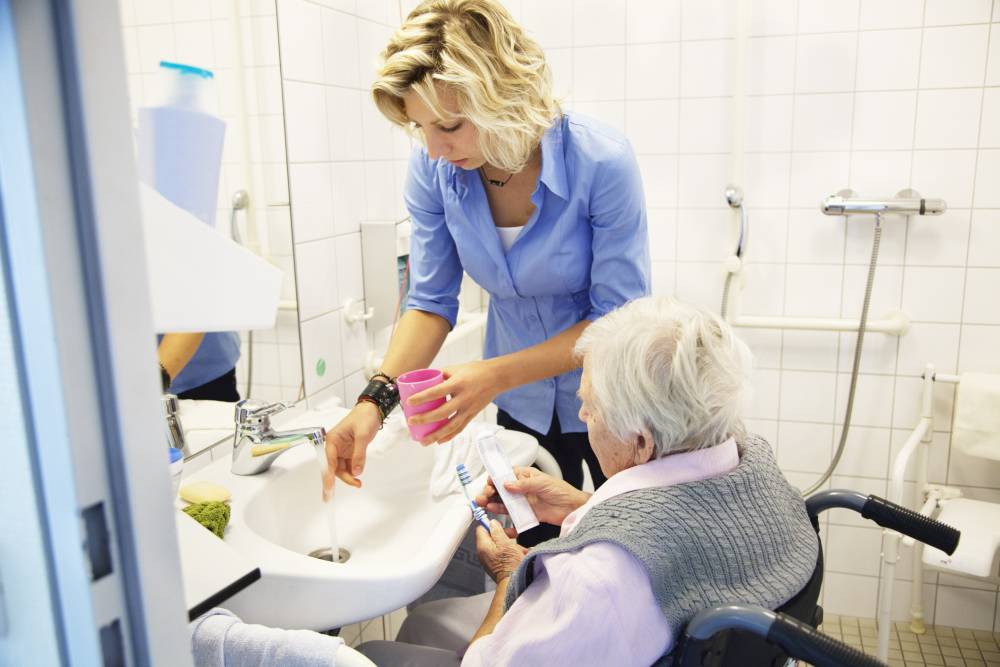
Mouldy toothbrushes, untreated abscesses and dirt-flecked dentures: not exactly the embodiment of the way a humane society should look after its vulnerable members. They are, however, symptoms of a growing problem in Australia – how do we preserve the oral health of our older people?
Oral health may not head the top of priorities for older Australians about to enter care or receiving care in their homes, but it should be high on the list of pressing matters for the Federal Government. Poor oral health for older Australians has been estimated to cost $750m a year, underlining the economic drain on the country’s valuable resources.
In addition, the impact of poor oral health on an elderly person’s overall health can be devastating. Chronic oral infection can complicate the medical management of diabetes, chronic heart failure and respiratory diseases, as well as leading to potentially deadly conditions such as malnutrition or pneumonia.
The reality is, however, that cutting toenails and hair styling is a higher priority than oral health. In residential aged care facilities (RACFs), there is no requirement to clean residents’ teeth or offer access to dental treatment. It is commonplace for residents to go days and even weeks without their teeth being cleaned, while ADA NSW members have heard anecdotal evidence of totally unacceptable oral health practices and conditions for those receiving care.
Medicare rightly funds a person having their toenails cut four times a year to aid mobility and reduce the risk of falls but there is nothing for professional dental assessment or care. In the few RACF that provide access to dental health care, dental practitioners line up behind podiatrists and hairdressers.
Currently there is an uncoordinated approach to providing daily oral care and access to professional oral care for both residents in RACFs and frail elderly on home care packages. Oral hygiene should be included in the daily care plan but RACF staff cannot do it as they are already working at capacity. This means older people are at high risk of developing dental disease in a short space of time, affecting their comfort, their ability to eat and socialise as well as compromising their general health.
That’s why ADA NSW, the peak body representing the dentistry profession in the NSW and ACT, has made a series of recommendations to the ongoing Royal Commission into Aged Care Quality and Safety which would transform the oral health of older Australians and ensure the devastating impacts of poor oral health are negated.
Heading ADA NSW’s recommendations is a Medicare-funded oral health assessment by a registered dental practitioner for those over 75 and years to facilitate oral health visits and reduce the unmet oral health care needs of older Australians. In addition, every Australian entering an RACF must have an oral health assessment by a registered dental practitioner to inform their ongoing oral hygiene measures, schedule regular oral health care, determine referral pathways and provide required oral health treatment.
ADA NSW has also called for RACFs to have a direct and ongoing relationship with local dental practitioners to facilitate the oral health of their residents and provide much-needed education and awareness for RACF staff. There should be continuing support for the existing oral health education and awareness programs in existence, while a public awareness campaign targeting the importance of oral health aimed at older Australians should be developed and promoted widely in Australia.
While Medicare looks after the general health of adults, the mouth – the gateway to the human body – is being left behind. Making oral health assessments a routine, Medicare-funded procedure for older Australians would go some way towards improving health outcomes for this vulnerable sector of our society.
It is not a privilege but a basic human right to ensure that the elderly in our community attain a level of oral health to live free from oral pain and be able to gain adequate nutrition, communicate freely and have the best possible quality of life.
It is clear that Australia must put oral health on the agenda and ensure that people can live free from oral pain and have a comfortable and fulfilling life, whatever their age.
You can view ADA NSW’s submission and recommendation by clicking here.



It is encouraging to see that many ACFs now colour code toothbrushes according to season, so at least they get them changed every 3 months for every resident. An initiative that makes staff more aware of the importance of clean toothbrushes and oral care.
Oral and dental care has never been a priority, never! If it was basic dental would be covered by medicare for everyone. Good dental hygiene starts with children, preventative dentistry would go a long way to reducing and preventing the effects of chronic disease, but it must start early and be affordable! Bad dental health causes infection, heart disease, and a lack of general well being.