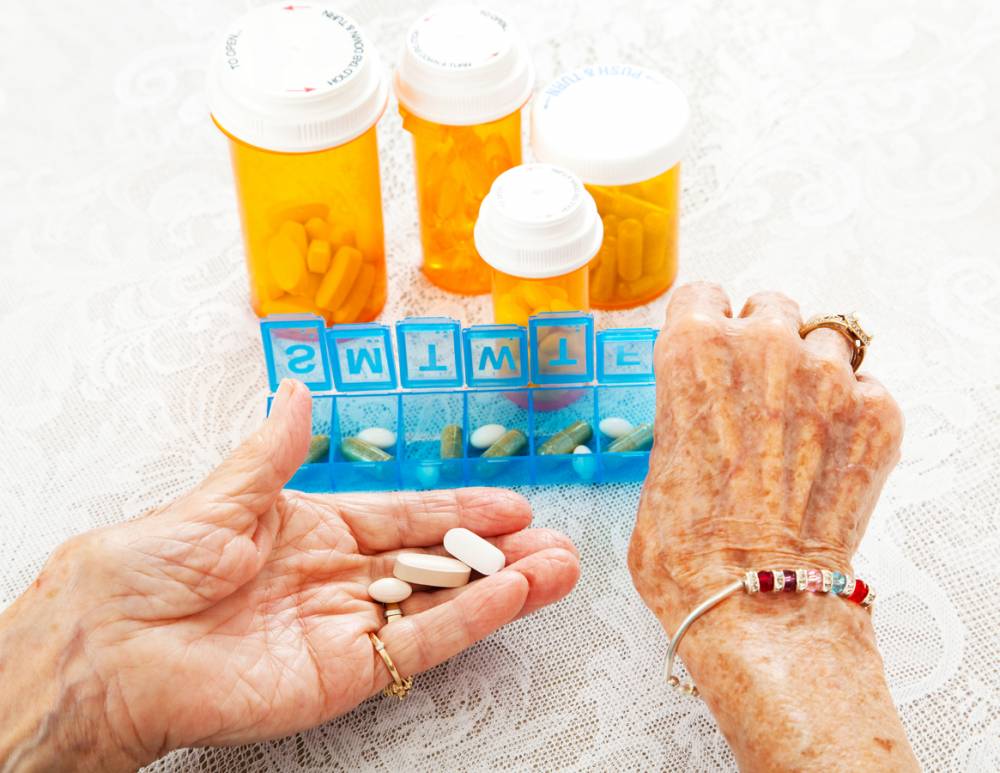
Because of the various age related conditions that older people experience, many are prescribed some sort of pain medication as a part of their treatment.
This is a part of their therapy and pain management plan, and yet there is a growing number of families that are stealing these medications from their elderly loved ones.
According to The University of New England’s report, which was commissioned by the Coonamble Shire Council, elderly people are being targeted by family members to get access to chronic pain medication.
A number of people who knew an older person that was impacted by this kind of drug and elder abuse were interviewed for the study. But there was a lack of people who were directly affected that were willing to participate.
Kim Usher, one of the researchers leading the study told the ABC that “elderly members of the community are being targeted, often by their family members, to get access to the fentanyl that would be prescribed to them to manage serious, chronic pain”.
In some cases, these elderly people were being blackmailed or intimidated for the medication, while others were reportedly selling theirs.
This is not only an issue seen in the community, but also in hospitals and aged care facilities. A study conducted by the Mayo Clinic in 2012 reported that the problem of drug diversion was “a considerable and ongoing problem.”
“Drug diversion by health care workers violates the core value that the needs of the patient come first.”
“Addicted HCWs who are diverting drugs from the health care facility workplace pose a risk to their patients, their employers, their co-workers, and themselves.”
Those who were willing to participate in the NSW study believed that socio-economic disadvantage and drug and alcohol abuse were some of the big reasons why people who abuse their elderly loved ones for medication.
One of the participants in the research explained that people did not want to come forward and incriminate their own family members.
“When are you strong enough to [report] when you don’t have the support? And we are talking, you know, lots of families doing that [drug diversion] now,” they said.
This kind of “drug diversion” was heavily under-reported.
The elderly are particularly vulnerable when it comes to medication theft because there are many who are dependent on others to manage and dispense their medication.
Particularly for those with cognitive disabilities, it is easy to take advantage and convince them that they already took or even lost their meds.
The homes of the elderly will, normally, have fewer security measures than a hospital or a pharmacy, which also makes them easy targets.
One solution to preventing drug diversion is to ensure that the medication is kept somewhere hidden. Beyond finding a “hiding place” it might be worth investing in a safe where the drugs can be locked away.
Another solution is being careful in selecting who dispenses the medication. Make sure it is someone trustworthy who will not take advantage of the older person.
Taking an elderly person’s medication is both a form of financial and elder abuse, which can be reported to the police.
What do you have to say? Comment, share and like below.


