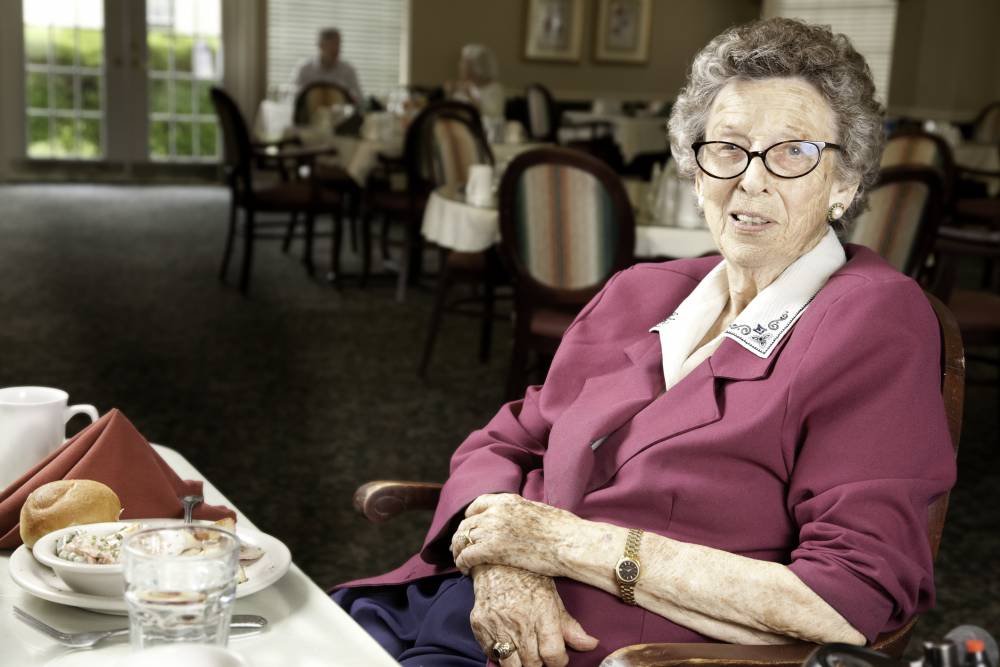
Australia is about to experience a ‘silver tsunami’ with the population aged over 65 growing at a rate never seen before.
However, this booming demographic risks fewer and poorer housing options unless our state and territory governments do a better job of planning for housing for older Australians, including retirement villages.
The Retirement Living Planning Report Card, published by Urbis and commissioned by the Property Council of Australia, assesses states and territories on their performance in planning for seniors housing, with South Australia ranked first overall.
The Report Card includes four key recommendations for reform of planning to deliver better outcomes for the housing needs of older Australians:
With more than 3.7 million Australians aged 65 and over, it’s vital that age appropriate housing options exist in all parts of our major cities to meet increased demand, says Ben Myers, Executive Director – Retirement Living at the Property Council.
“The Retirement Living Planning Report Card shows that our states, together with local governments, can provide a more strategic role in ensuring there is land available for forms of seniors housing, like retirement villages and other independent living communities,” Mr Myers says.
“Issues such as zoning and overly restrictive height controls can inhibit the redevelopment potential of existing communities to ensure the expectations of Australian retirees are met.
“Without changes to planning policy and improved awareness at council level, seniors may find their choices limited, and be more likely to be stuck in homes that reduce their ability to stay independent and healthy.
“Retirees would benefit greatly from specific seniors housing policies and targets, to promote appropriate development, to ensure there are options available for people aged 65 and over.”
Kylie Newcombe, Associate Director at Urbis and author of the report card, says, “When it comes to scoring planning systems, the scores are low overall with no single state standing out as an exemplar.
“We need to switch the mindset from planning as a barrier, to planning as an enabler.
“Common hurdles to developing seniors housing are the ongoing competition for land, historic zoning and height restrictions, and a general lack of understanding of the market’s needs by authorities.
“Ideally, there would be a more flexible approach that is tailored to what seniors need and want,” Ms Newcombe says.
The Retirement Living Planning Report Card can be downloaded from www.propertycouncil.com.au.


