
We all have to retire one day, even lions.
Last year, three lions, Kovu, Masie and Kiara were retired from Lennon Bros circus after 15 years as performing members of the travelling family troupe.
The Lennon family and Zambi Wildlife Retreat signed an agreement late last year to give the three majestic creatures a ‘forever home’ at the retreat, which is located in the outer suburbs about an hour’s drive south west of Sydney.
And so, at the end of last year, the lions performed in front of an audience for the last time, and were moved to Zambi.
Donna Wilson, director and operations manager at Zambi, told HelloCare the lions arrived in excellent condition. They were “fat, healthy and in good spirits”, she said.
“It is obvious they were loved and well cared for by the family.”
The lions are used to being around humans.
They are “exceptionally friendly and love being scratched through the fence,” Ms Wilson noted.
The Lennon family has another circus, Stardust, with six young lions that will eventually be retired at Zambi alongside Kovu, Masie and Kiara.
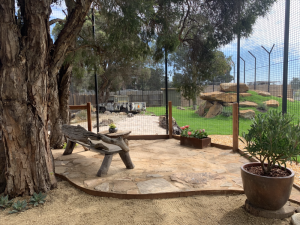
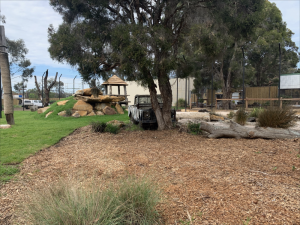
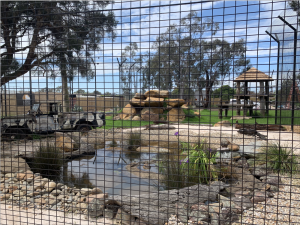
The Lennon family donated a substantial sum to help Zambi build a ‘resort-style’ enclosure for the lions, which is now almost complete.
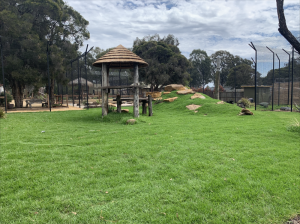
In a fortnight, the pride will move into their luxurious new digs, which has been generously constructed by a team of dedicated volunteer tradies and with the additional support of sponsors and donors.
Zambi Wildlife Retreat was established to provide care and shelter for exotic animals retiring from zoo breeding programs, circuses and private ownership. It also cares for domestic and farm animals, as well as native wildlife.
Zambi currently cares for more than 120 animals, including lions, tigers, puma, primates, farm animals, domestic stock, parrots and a few reptiles.
The not-for-profit charity was founded in 2012, and survives on donations and fundraising. It receives no government funding.
“It is an expensive place to run with all the associated weekly costs, but we are growing from strength to strength off the backs and pockets of kind animal lovers Australia wide,” Ms Wilson told HelloCare.
“Zambi is the only charity of its kind in Australia and we are very unique in what we do.”
“There are many animals needing ‘forever homes’ and we want to be able to build homes for as many as we can.”
The retreat is not open to the public at present, but within the next few weeks hopes to be able to allow visitors by appointment only to help cover running costs.
“This way the animals are able to still enjoy the serenity without lots of visitors”, Ms Wilson said.
If you would like to become a member of Zambi, keep with its news, or make a donation, you can visit their website.


