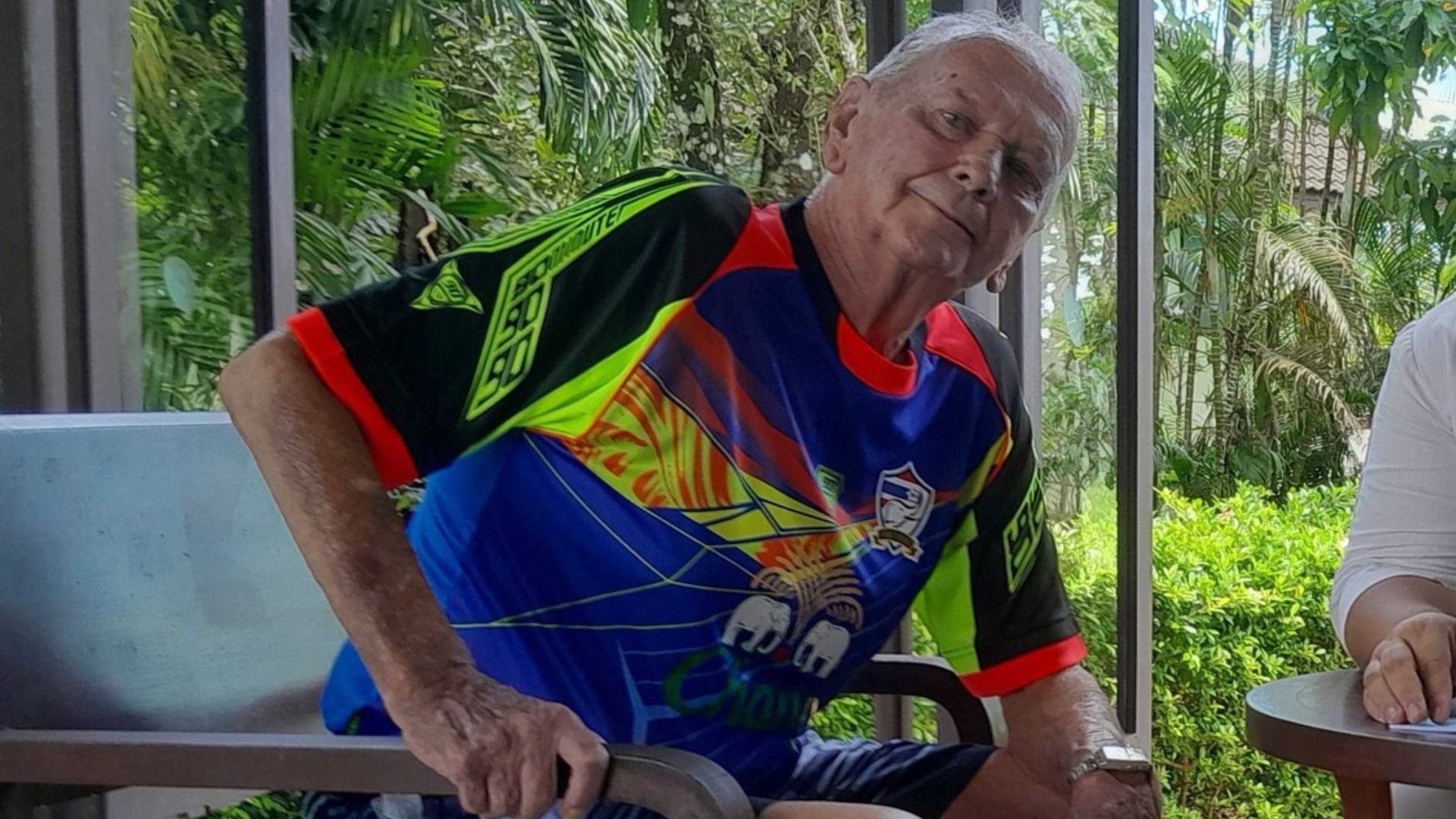
Neil Raymond spent his final 18 months sleeping upright in a Bunnings chair, waiting for home care funding that never came. Two days after he died, his wife Cheryl was told the money had finally been approved.
For almost a year and a half, Neil Raymond could not lie down. Throat and lung cancer had left him struggling to breathe, so he slept upright in a swivel chair his family bought from Bunnings, zipped into a sleeping bag to keep warm.
The 78-year-old retired plumber, who started work at 14 and spent years on the maintenance crew at Melbourne’s Austin Hospital, died at home in Bacchus Marsh on 29 November 2025. Cheryl, his wife of 60 years, says it was the first time he had slept in a bed in nearly 18 months.
In a cruel twist of fate, two days later, Cheryl was informed that her dearly departed husband had finally received his aged care funding.
“He just wanted the bed so he could sleep with his electric blanket and stay warm,” Cheryl said. “If the money had been released earlier, he might have had a bit of comfort in the last year of his life.”
Neil’s illness began quietly. His nose ran with clear fluid though he had no cold, and lying flat left him unable to breathe. Cheryl believes he hid the symptoms for longer than she knew. “He wouldn’t tell anyone anything,” she said.
The couple, who married in Preston in 1965 and moved from Reservoir to Bacchus Marsh in the 1990s, had first sought help through a Home Care Package in 2020, which paid for a bathroom handrail and back steps. In March 2025, as Neil’s condition worsened, the family received a letter saying he had been allocated $25,000 for care. Cheryl says the money was never released, and she was told this was due to the impending switch to Support at Home.
What Neil wanted from it was modest. His appetite was fading, and he hoped the funding would cover pre-packaged meals light enough for him to eat. “That’s all he wanted from the government,” Cheryl said. “We couldn’t get it for him, so he could have something nice to eat.”
Cheryl paid for the meals herself, but they were too expensive. Neil’s interest in food continued to diminish, and his weight fell from 80 kilograms to 62.
Night time was growing increasingly difficult for Neil, as fluid build-up in his lungs caused him to choke when lying flat. With no funding to help with the cost of an adjustable electric bed, the family bought a comfortable chair from Bunnings for him to sleep in.
The arrangement made it difficult for Neil to manage his bedding, and he spent his nights sitting in the chair wrapped inside an expedition-grade sleeping bag. “He was so thin, he was even cold in summer,” Cheryl said.
The financial strain took its toll on Cheryl, who spent most of her days driving Neil to appointments, scans and hospital visits in Ballarat. She believes her saving grace was that she and Neil owned their home.
“I’ve always been a good budgeter,” she said. “I don’t know how these people are surviving out there, the older people, if they’re paying rent.”
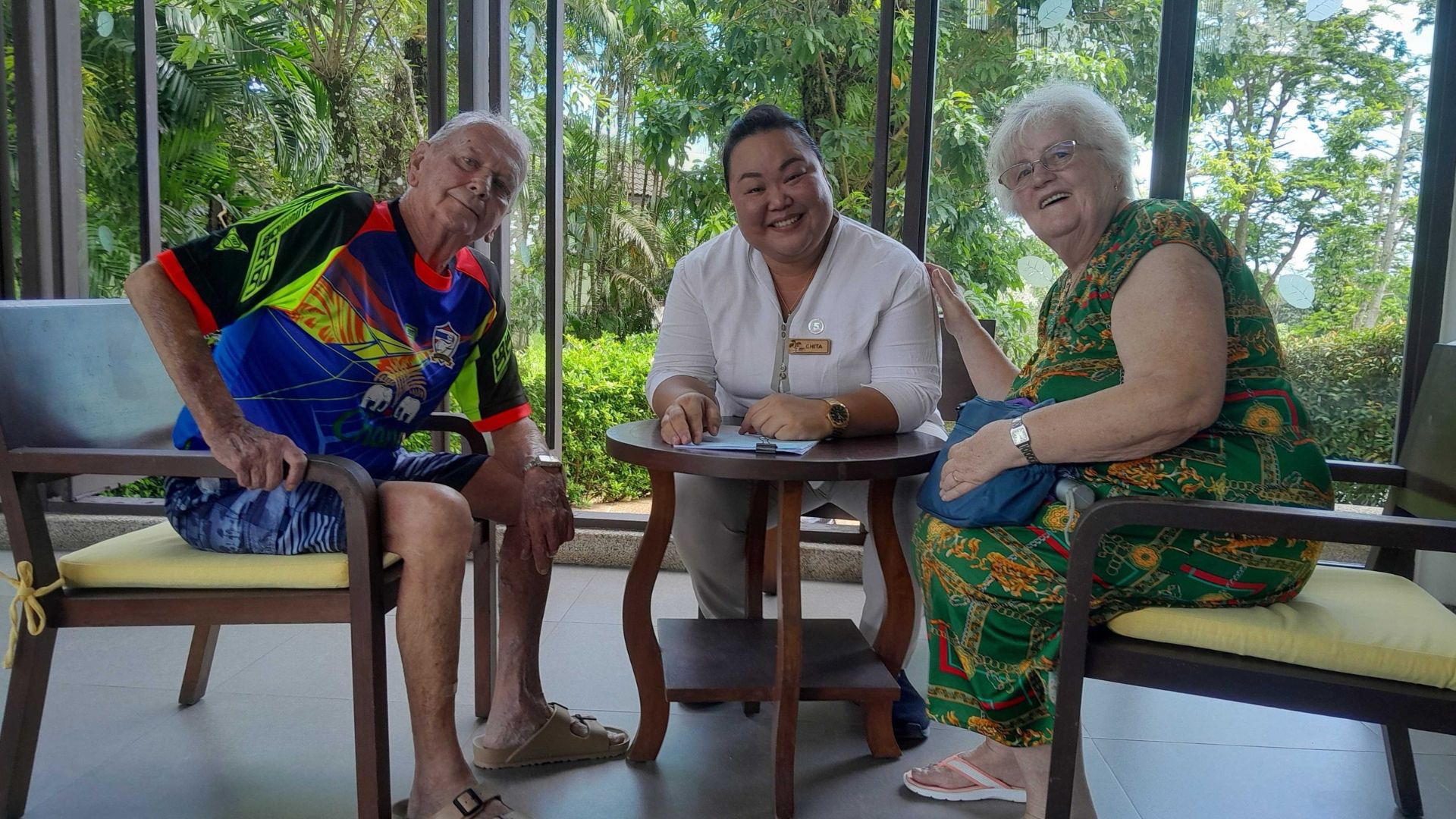
When the government funding failed to arrive, a volunteer service stepped in. Shannon’s Bridge, a Creswick-based charity, visited the Raymonds, asked Neil what he needed and delivered a large oxygen machine, free of charge, to help with his breathing.
The charity was set up by a father after his daughter, Shannon, died of leukaemia at 19 and asked him to start a charity in her name. It lends equipment to families caring for loved ones at home.
After Neil died, Cheryl gave his walker and other equipment back to the charity so someone else could use it without paying.
Sadly, Neil’s death came four weeks after the switch to Support at Home.
Cheryl praised the assessors she spoke to, but revealed that they warned her the assessment outcome would be decided by a computer system they could not change.
Neil died in a year when more Australians died waiting for care than ever before.
The health department’s latest aged care demographics report shows 6,436 people left the Support at Home Priority System because they died in 2025-26, about 17 a day. That is 34 per cent more than the 4,812 who died on the waitlists the year before.
Last Thursday, Aged Care Minister Sam Rae announced an independent review of the IAT’s classification and prioritisation mechanisms, conceding that “the assessment systems are not always getting it right”.
The review will not report until the first half of 2027. On the same day, the Government voted down a Greens amendment that would have immediately restored assessors’ power to override the tool.
For Cheryl, it comes too late. “Shame on the Labor government,” she said.
Cheryl is now caught in the same system. She was receiving Level 2 support as Neil’s carer. Since March she has been waiting to be reassessed, and has been told she is a priority but will drop to Level 1.
She also described a friend in his 80s, living with prostate cancer for 12 years, who has been classified at one of the highest funding levels but cannot get anyone to come to the house.
She says she is sharing Neil’s story in the hope it helps someone else. Neil, she points out, paid tax for 64 years.
“He never asked for much,” Cheryl said. “He needed a warm bed, and meals he could enjoy.”
In the end, he got neither. And sadly, thousands of seniors across Australia are going through the same thing right now.


