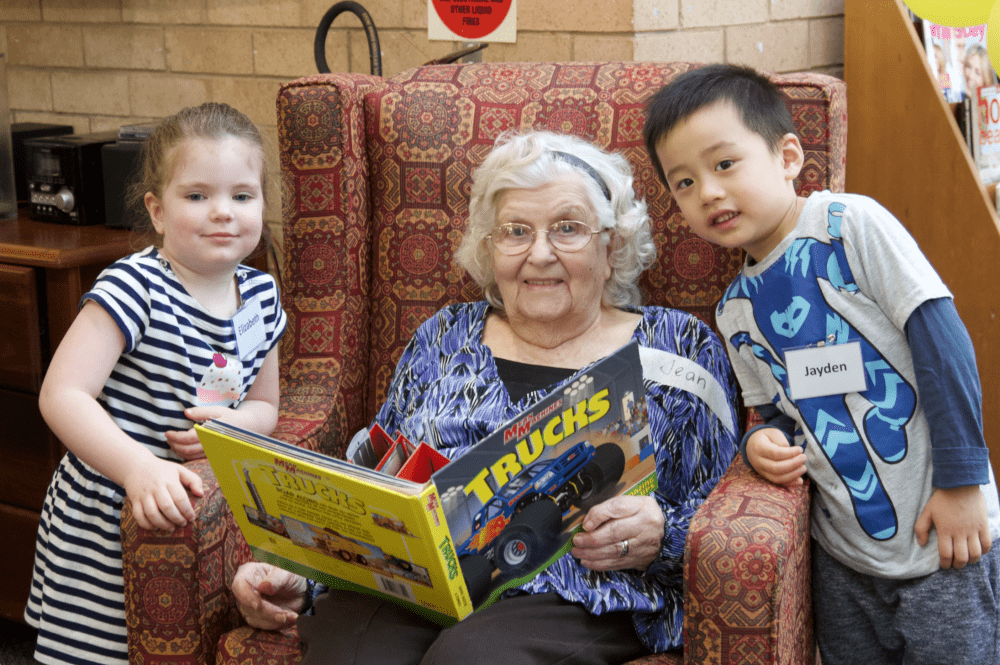
Pymble Turramurra Preschool youngsters are getting masterclasses every week in puzzles, art and bubble blowing as well as an understanding and appreciation of residents living with dementia.
The visits are taking place every Thursday morning at HammondCare North Turramurra’s Princess Juliana Lodge, a residential care service for residents.
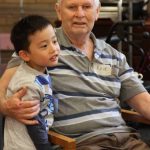
Residential Manager North Turramurra Sarah Murphy said the intergenerational playdates were a win for both the children – up to 10 at a time – and the residents, who appreciate the stimulating company.
“You can see the residents light up with the energy of the pre-schoolers – they love the life that it brings,” Ms Murphy said.
“The children bring their own morning tea and play games and all sorts of activities.”
Pymble Turramurra Preschool Director Melanie Leevers began the visits at the beginning of Term 3 this year believing there could be potential benefit for both groups.
Later Mrs Leevers was successful in obtaining a grant of $4685 from Ku-ring-gai Council to cover the bus transport costs and materials for Term 4 this year and Term 1, 2020. She said almost anything can happen when the Pre-schoolers visit, depending on the level of interaction the seniors.
“We bring along a basket of paint, paper, board games, puzzles & even a game of snap and we take it from there,” Mrs Leevers said.
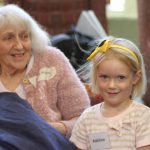
“One week the children found themselves involved in doing some physio routines with the residents. Next week we might take a parachute along to encourage involvement.”
Princess Juliana Lodge provides residential care for mostly frail aged people living with low level dementia symptoms.
Ms Leevers said the interaction with the residents is broadening the Pre-schoolers experiences with the local community.
The children have experience interacting with their own relatively-young grandparents, mostly aged in their 50s and 60s, rather than frail older people with cognitive impairment.
“I watched the children become more and more comfortable as the visits went on,” Mrs Leevers said.





