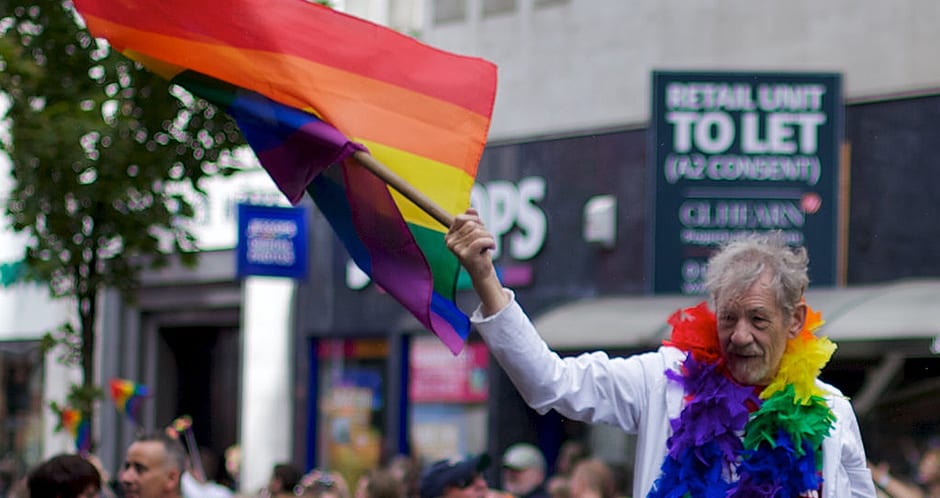
We’re all getting older. Ageing does not discriminate between people who are straight, gay, lesbian, bisexual, transgender or intersex. However the LGBTI community can deal with different issues at higher rates than heterosexual people. Things that are evolving as society becomes more open-minded and accepting.
So much of the older community depend on their children for care as they age. But what happens if you don’t have any children? Or any family?
Many of them come from a time when homosexuality was shunned by the community. Their support systems may be small as their families have ostracised them and they may have found it difficult to develop close connections as they hid their sexuality.
Many never married and there was little to no option for them to adopt or have children via surrogacy, options that many people in the community use now.
Older people in the LGBTI community are 4 times less likely to be parents than heterosexual older people.
With small support networks and no children to care help with their care, they may find they are alone and have financial struggles.
Many people from the LGBTI community have suffered through years of discrimination – which includes difficulties is getting work and earning a steady income.
Though years of discrimination, gay and lesbian couples have also ended up having higher rates of poverty than straight couples.
A survey conducted found that 42 per cent of the LGBT elders said that “financial problems” were a big concern in their lives. While one-third felt they were “poorly prepared” for retirement, and 47 per cent said they had less than $10,000 in savings and other assets.
The health concerns of the LGBTI community can be very different to that of their heterosexual counterparts.
Though they are equally as likely develop dementia, heart disease and cancer as any other person, they do have higher rates of HIV and AIDS – something that may ostracise them from other people who ignorantly fear catching it from being within proximity.
Mental health is also a big concern of the LGBTI community. Many LGBTI people suffer from feelings of loneliness, isolation, depression and have thoughts of suicide. And for sufficient treatment, these mental health issues require support.
Many people in the community fear that entering aged care with require them to “re-enter the closet” in order to get equal treatment and not be ostracised by the staff and other residents.
Some worry that they will be alone, or how they go about telling fellow residents that they are LGBTI.
Education and staff support would be the best way to ensure that people in the LGBTI community feel welcome and supported in their care.
For education, The Health Department have developed an short video course with the Aged Care Channel called “LGBTI: Inclusion and Awareness”.
This educational film is dedicated to educating the aged care sector the importance of embracing the sexuality of an older person – whether they be straight or gay or trans.
What the video showcases is the LGBTI communities’ expectations for inclusive and safe services. It will be available on the department’s website in the near future.
This educational film also aims to explain why LGBTI communities may experience difficulties moving into aged care.
Here is a small trailer for the program;
For Aged Care Channel members, the video will be broadcast Wednesday 10 May 2017 at 10.45am AEST, 2.15pm AEST and 3.30pm AEST. But will also be available on demand for the general public.


